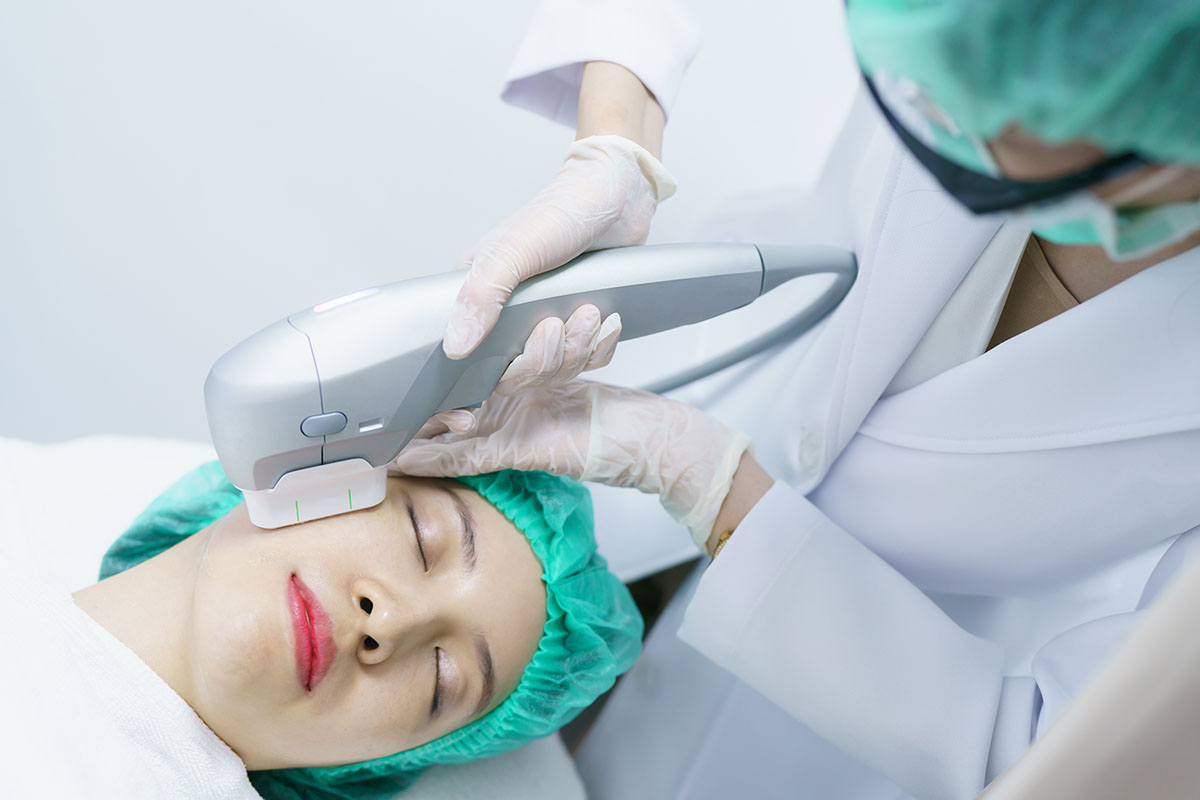
A HIFU facial is a non-invasive treatment designed to lift, firm, and contour the face without surgery. It uses focused ultrasound energy to target specific layers beneath the skin, where collagen support begins to weaken with age. For many patients, it offers a subtle way to improve early sagging, soften loose-looking skin, and sharpen facial definition.
HIFU does not work like a facial, peel, or laser resurfacing treatment. It does not polish the skin surface or remove damaged outer layers. Instead, it delivers focused energy to areas beneath the skin's surface to promote tissue tightening and collagen renewal. This makes it especially useful for patients who want gradual firmness and lift rather than a quick surface glow.
HIFU stands for high-intensity focused ultrasound. In aesthetic dermatology, the treatment uses concentrated ultrasound energy to heat selected depths beneath the skin. This controlled heat creates a repair response, which can help the skin produce fresh collagen over time. Collagen gives skin much of its firmness and support, so this process can improve mild looseness and facial softness.
A HIFU face treatment is often chosen by people who notice early ageing changes around the cheeks, jawline, lower face, brow area, or neck. The skin may still have good quality, yet the face may look less defined than before. HIFU skin tightening can help when the goal is a natural-looking improvement without incisions, stitches, or a long recovery period.
How a HIFU Facial Works Beneath the Skin
During treatment, the HIFU device delivers focused ultrasound energy to precise depths. The energy travels through the skin surface and concentrates at deeper layers, where it creates small points of heat. These heat points trigger tissue contraction and stimulate new collagen production. The skin surface remains intact because the energy focuses beneath it.
Different depths target different structures. Shallower depths can support the dermis, where fine lines and early skin looseness often begin. Deeper settings can reach the fibromuscular layer known as the SMAS, which plays a role in facial support. This is one reason HIFU facial treatments have become popular for non-surgical lifting and contouring.
The body then begins a gradual repair process. Some people notice a slight tightening effect soon after treatment due to immediate tissue contraction. The more meaningful change usually develops across the following months as collagen remodelling continues. This slower timeline is normal and should be expected.
What HIFU Can Help Improve
HIFU can help patients who have mild to moderate skin laxity. Common treatment goals include a firmer jawline, a more refined lower face, gentle cheek lifting, improved under-chin definition, and subtle brow support. Some patients also choose HIFU face contouring when they feel the face has started to look softer or less structured with age.
The treatment may also improve the appearance of fine lines and crepey texture in selected areas, especially when looseness, rather than surface damage, is the main concern. It cannot replace treatments that target pigmentation, acne scars, deep wrinkles, or rough texture. A dermatologist Dr. Evelyn Tay may recommend lasers, microneedling, injectables, prescription skincare, or a combination plan if those concerns are present.
What HIFU Cannot Do
HIFU can create a firmer, more lifted look, yet it cannot match the results of a surgical facelift. It works best for early-to-moderate laxity rather than for heavy sagging or significant loose skin. Patients with more advanced facial ageing may need surgical assessment or a different treatment plan to achieve a stronger lift.
HIFU also does not add facial volume. If the face looks tired due to volume loss in the temples, cheeks, or under-eye area, HIFU alone may not achieve the desired result. If skin quality, pigmentation, acne scarring, or redness is the main concern, other treatments may provide better results. The right plan starts with identifying the main cause of the change.
HIFU Skin Tightening and Collagen Renewal
HIFU skin tightening depends on the body’s repair response. The heat points created during treatment encourage collagen fibres to contract and renew. This process helps the treated area feel firmer over time. The improvement often looks subtle and natural because it builds gradually rather than changing the face in one sudden step.
Collagen renewal takes time. Most patients should expect progressive change over several weeks, with fuller results appearing around three to six months after treatment. The exact timeline depends on age, skin quality, treatment settings, lifestyle, and the degree of laxity. Some patients may benefit from maintenance treatment to keep results looking fresh.
Areas HIFU Can Treat
HIFU for face treatment can target several common ageing areas. HIFU for face and neck rejuvenation can help when early skin laxity starts to affect facial definition. The lower face and jawline are common treatment areas, especially when the skin looks softer, or the jawline appears less defined. In suitable patients, HIFU face contouring may help create a firmer-looking lower face without surgery.
The cheeks, brow area, neck, and under-chin area may also respond well when looseness is mild to moderate. Treatment planning should take into account each person’s facial structure, skin thickness, and degree of laxity. Careful mapping helps target the right depths and areas, resulting in a smoother, more natural-looking result.
What Happens During a HIFU Facial
A HIFU facial starts with assessment and treatment planning. The clinician examines the face, checks the degree of laxity, reviews medical history, and identifies areas that may benefit from focused ultrasound energy. The skin is cleansed, and ultrasound gel is applied before the device handpiece is placed against the treatment area.
Patients may feel warmth, prickling, tingling, or brief deep aching as energy reaches the targeted layers. Sensation varies across the face because some areas have more nerve endings or less cushioning tissue. The jawline, brow area, and under-chin area can feel more intense for some patients. The treatment usually does not require general anaesthesia, although comfort support may be discussed during consultation.
Recovery After HIFU Treatment
HIFU usually has little visible downtime. Some people return to normal activities soon after treatment. Temporary redness, mild swelling, tenderness, tingling, or a bruised feeling can occur. These effects usually settle without major interruption to daily life, although sensitivity may last longer in some areas.
After treatment, gentle skincare and sun protection are sensible. Avoid harsh exfoliants, strong actives, heat exposure, and facial massage for a short period if your clinician advises this. Good aftercare helps reduce irritation and supports the skin while it responds to treatment. If swelling, pain, numbness, or skin changes persist, contact the clinic for review.
Who Makes a Good Candidate
A good candidate for HIFU usually has mild to moderate skin laxity and wants gradual firming without surgery. The treatment can suit people who notice early jowls, softening along the jawline, mild neck looseness, or reduced cheek support. It may also suit patients who prefer subtle results and minimal downtime.
A consultation is important because skin laxity has many causes. Some people need collagen stimulation. Others need volume restoration, laser resurfacing, acne scar treatment, pigmentation treatment, or medical care for an active skin condition. HIFU works best when the treatment goal matches what the technology can do.
HIFU may not suit patients with severe laxity, open wounds, active infection, certain implanted devices, recent major facial procedures, or specific medical conditions. Patients who are pregnant, prone to unusual scarring, or dealing with active skin inflammation should seek medical advice before any energy-based treatment. A dermatologist can assess risk and guide timing.
HIFU Face Contouring Results
HIFU face contouring focuses on firmness and definition rather than dramatic reshaping. A suitable patient may notice a cleaner jawline, a slightly lifted cheek area, or a tighter under-chin profile. The change often looks natural because the treatment gradually improves support.
Results vary from person to person. Age, collagen reserve, skin thickness, treatment depth, treatment coverage, and lifestyle all influence the outcome. Good sleep, sun protection, consistent skincare, and avoiding smoking can help support collagen health. HIFU can improve selected ageing changes, yet ongoing ageing will continue, so maintenance planning may be useful.
HIFU Compared With Other Skin Tightening Treatments
HIFU uses ultrasound energy. Radiofrequency treatments use electrical energy to heat tissue. RF microneedling combines tiny needles with radiofrequency energy and can help texture, pores, acne scars, and mild laxity in suitable patients. Lasers target other concerns, such as pigmentation, redness, resurfacing, or sun damage, depending on the type of laser.
This is why treatment choice should start with the skin concern, not the device name. If the main issue is early sagging, HIFU may suit the face well. If the main issue is acne scarring, RF microneedling or resurfacing may offer more benefit. If pigmentation or redness dominates, lasers or medical skincare may be more appropriate. Many patients need a staged plan rather than one single treatment.
Why Dermatologist-Led Planning Helps
HIFU looks simple on the surface, yet achieving good results requires an accurate facial assessment. The clinician must judge treatment depth, energy level, number of lines, area selection, facial asymmetry, skin thickness, and patient comfort. This becomes more important around delicate areas such as the brow, jawline, and neck.
Dermatologist-led planning can also identify concerns that HIFU will not correct. A patient may think they need lifting when the main issue is volume loss. Another may want tightening when active eczema, acne, or rosacea should be managed first. A proper consultation helps reduce unnecessary treatment and creates a safer plan.
How Lumine Dermatology Can Help
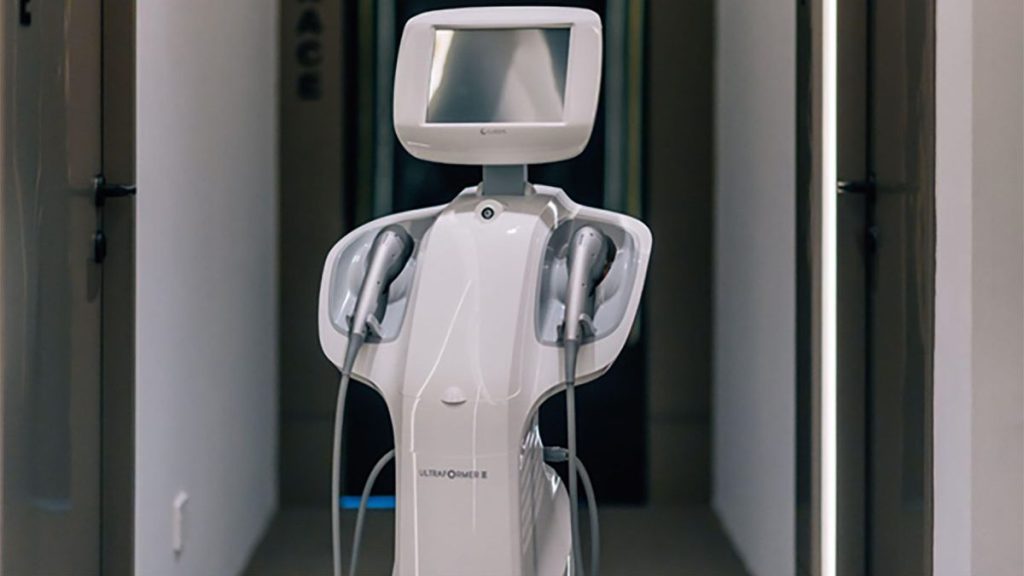
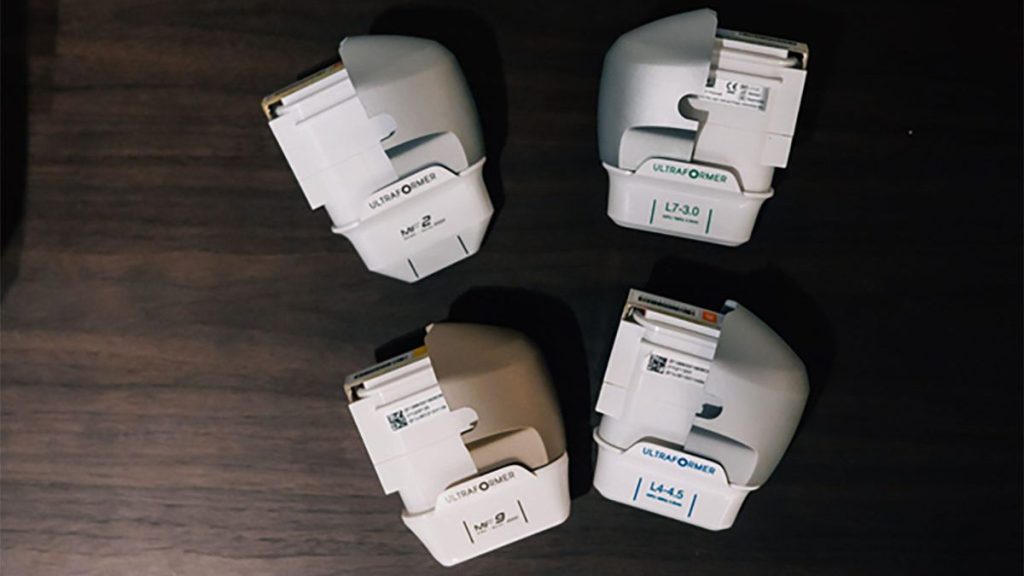
At Lumine Dermatology & Laser Clinic, HIFU treatment is offered through Ultraformer III for suitable patients seeking non-invasive skin tightening and facial firming. Treatment planning considers skin quality, facial structure, ageing pattern, skin type, comfort level, and personal goals. This helps the treatment feel targeted rather than generic.
Lumine Dermatology combines medical dermatology, laser and device expertise, aesthetic care, and specialist diagnosis in one setting. This is helpful when patients have overlapping concerns such as skin laxity, pigmentation, pores, scars, wrinkles, or sensitive skin. A personalised plan may include HIFU, RF microneedling, lasers, injectables, skincare, or staged care depending on the findings.
Healthy skin, Happy mood.
We've got your back!
Every skin concern matters. Drop an enquiry, and we'll get back to you within one working day.
Address:
1 Scotts Road #04-15/16 Shaw Centre Singapore 228208
Operation hours
Mon-Fri - 9am to 6pm | Sat - 9am to 1pm | Closed on Sundays & Public Holidays