Microneedling and HydraFacial both aim to improve skin quality. They can help the skin look fresher, smoother, and healthier. Yet they work in very different ways. One creates controlled micro-injuries to stimulate repair beneath the surface. The other focuses on cleansing, exfoliating, extracting, and hydrating the surface of the skin.
The right choice depends on your skin concern, tolerance for downtime, skin sensitivity, and long-term goals. Someone who wants a brighter look before an event may prefer a HydraFacial treatment. Someone dealing with acne scars, uneven texture, enlarged pores, or early skin laxity may need microneedling or RF microneedling. A dermatologist can help match the treatment to your skin instead of relying on guesswork.
Why People Compare HydraFacial vs Microneedling
HydraFacial vs Microneedling is a common comparison because both treatments sit in the skin rejuvenation category. They can improve skin texture and radiance, and many clinics offer them to patients who feel their skin looks dull, tired, congested, or uneven. The overlap can make the decision feel less clear than it should.
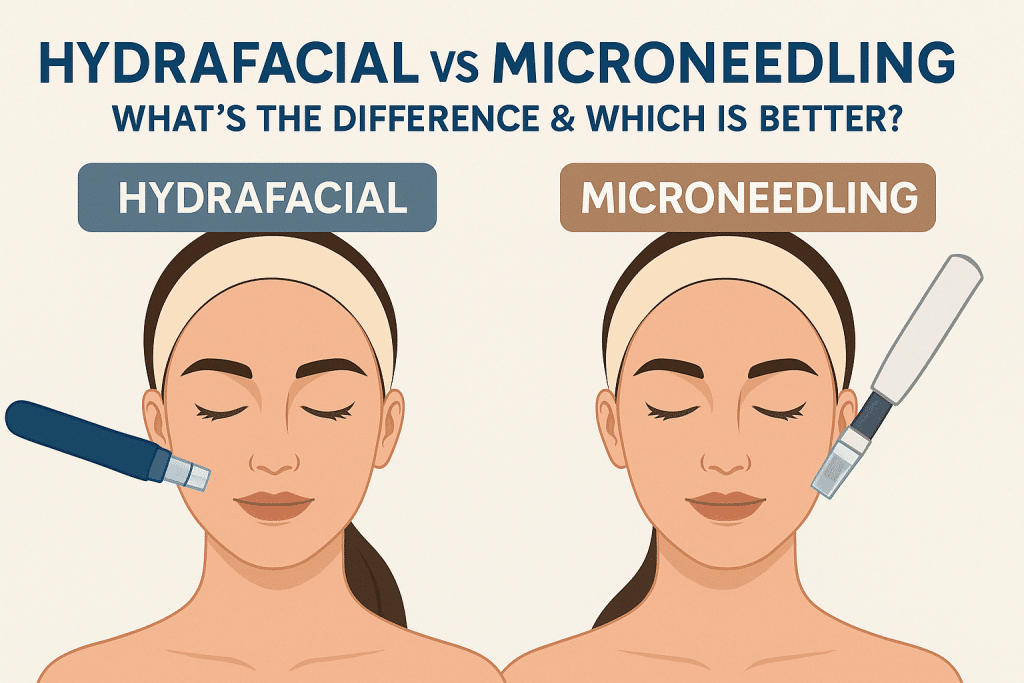
The main difference is treatment depth. HydraFacial works mainly at the surface level. It helps clear build-up, hydrate the skin, and improve glow quickly. Microneedling works deeper by creating tiny channels in the skin to trigger repair and collagen production. That difference affects comfort, downtime, results, and the type of skin concerns each treatment can address.
What Is Microneedling
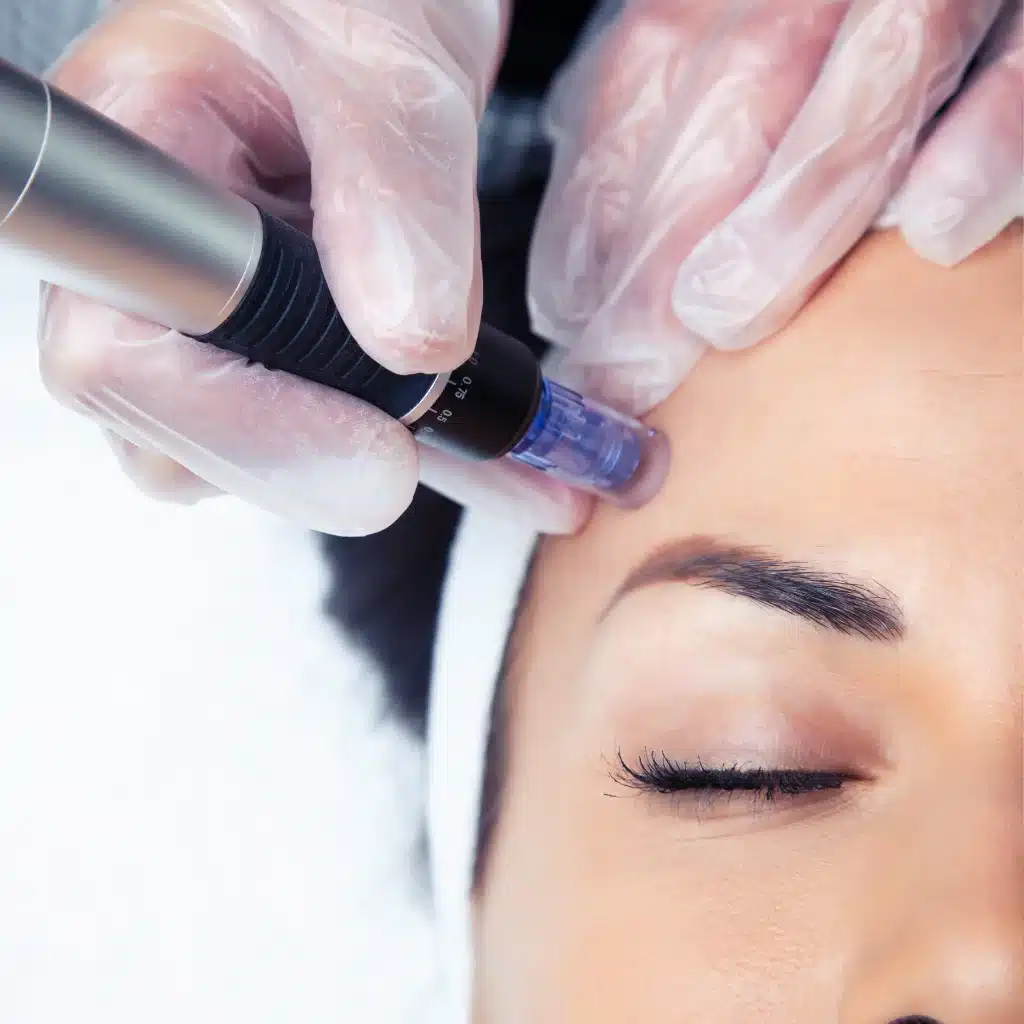
Microneedling is a minimally invasive skin treatment that uses fine sterile needles to create controlled micro-injuries in the skin. These tiny channels trigger the body’s repair response. As the skin heals, it can produce new collagen and elastin, which support firmness, smoother texture, and gradual improvement in scars and lines.
Traditional microneedling uses needles alone. RF microneedling adds radiofrequency energy into the deeper layers of the skin, which can increase collagen remodelling and skin-tightening effects in suitable patients. At Lumine Dermatology & Laser Clinic, RF microneedling may be considered for concerns such as acne scars, enlarged pores, fine lines, uneven texture, and mild skin laxity after a specialist assessment.
What a HydraFacial Treatment Does
Using a device-based system, a HydraFacial offers a non-invasive facial treatment that focuses on cleansing, exfoliating, extracting, and hydrating the skin. It aims to remove surface build-up, clear congestion, and infuse the skin with hydrating serums. Many people choose it when they want a smoother, cleaner, more refreshed look with little to no recovery time.
HydraFacial works well for surface concerns such as dullness, mild congestion, dryness, and roughness. It can be a good option before an event because the skin often looks brighter soon after treatment. However, it does not remodel deeper scar tissue in the same way as microneedling. It also does not replace medical care for inflammatory acne, persistent pigmentation, rosacea, eczema, or other skin conditions that need diagnosis.
The Biggest Difference Is Treatment Depth
Microneedling reaches deeper than a HydraFacial. The needles create controlled channels that stimulate repair below the surface. Consequently, microneedling is a better option for addressing collagen-related issues, including acne scarring, enlarged pores, wrinkles, mild skin laxity, and uneven skin texture. Results build gradually because collagen renewal takes time.
HydraFacial works closer to the surface. It can make the skin look clearer and more hydrated quickly, especially when dullness comes from dehydration, congestion, or dead skin build-up. The treatment feels gentler for many people and usually involves minimal interruption to daily plans. Its strength is refreshment rather than deeper remodelling.
Which Treatment Is Better for Acne and Congested Skin
For blackheads, mild congestion, and oily build-up, HydraFacial may help by cleansing, exfoliating, and extracting debris from the pores. It can support a skincare routine when the skin is calm and there are no painful cysts, open wounds, or significant inflammation. Some people like it as a maintenance treatment because it gives the skin a cleaner feel.
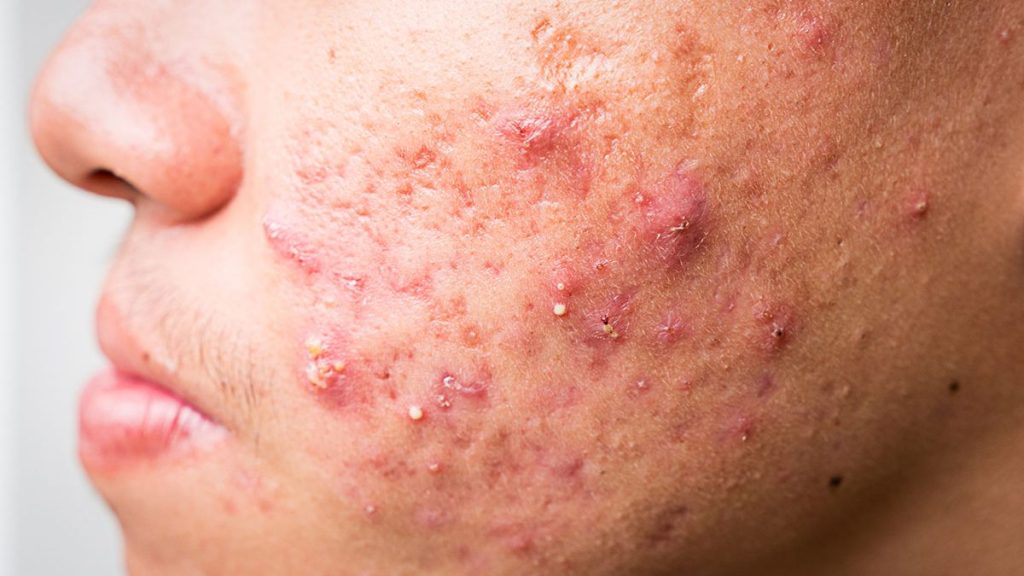
For acne scars, uneven texture, and enlarged pores left behind by previous acne, microneedling may be a better option. It targets the collagen changes beneath the surface that contribute to depressed scars and rough texture. Active acne needs caution. Microneedling over inflamed breakouts can increase irritation and infection risk, so acne should be medically managed before scar treatment begins.
Which Treatment Is Better for Fine Lines and Texture
Microneedling has a stronger role in fine lines and texture concerns because it stimulates collagen renewal. It may help soften early lines, improve roughness, and strengthen the look of the skin over a course of treatments. RF microneedling may add a firming effect for suitable patients because radiofrequency energy heats deeper tissue in a controlled way.
HydraFacial can make fine lines look softer temporarily when dryness makes them more visible. Hydrated skin reflects light better and often looks plumper. This effect can be helpful, especially before a social or professional event. However, it does not produce the same collagen-stimulating effect as microneedling, so deeper lines and textural irregularities usually require a different approach.
Which Treatment Is Better for Pigmentation and Uneven Tone
Uneven tone can come from many causes, including sun exposure, acne marks, melasma, irritation, post-inflammatory pigmentation, and skin barrier damage. HydraFacial may help brighten dull-looking skin and improve surface smoothness, especially when pigmentation appears worse because the skin is dry or congested. Some booster serums may target brightness, although results vary.
Microneedling may play a role in selected pigmentation and texture concerns, yet it needs careful judgement. In pigment-prone skin, any procedure that causes inflammation can sometimes darken marks. This risk rises if treatment is too aggressive or aftercare is poor. A dermatologist should assess pigmentation first, especially when melasma, recent acne marks, or sensitive skin are present.
Comfort and Downtime
HydraFacial is usually comfortable. Most people describe it as a cleansing and hydrating treatment with a suction-like feeling during extraction. Redness, if it occurs, tends to settle quickly for many patients. This makes it appealing for people who want a quick refresh with minimal disruption.
Microneedling involves more sensation because it creates tiny channels in the skin. Numbing cream can help reduce discomfort. After treatment, the skin may look red, warm, swollen, or tight, similar to a mild sunburn. Mild peeling or dryness can follow. Recovery varies based on treatment depth, device type, RF settings, skin sensitivity, and the area treated.
Results and Treatment Timelines
HydraFacial often gives a quick cosmetic improvement. Skin may look cleaner, brighter, and more hydrated soon after the session. These results are useful for short-term freshness, although they usually need regular maintenance to last. People often choose HydraFacial when they want a gentle glow rather than a treatment course for deeper concerns.
Microneedling results take longer because the skin needs time to repair and produce new collagen. Some people notice better texture within a few weeks, while scar and pore improvement usually builds across a series of sessions. The result depends on the depth of the concern, skin type, settings used, and aftercare. This makes microneedling more of a structured treatment plan than a one-off refresh.
Skincare Before and After Treatment
Before HydraFacial, many people can continue a normal routine, although strong exfoliants or irritating products may need a short pause if the skin is sensitive. After treatment, gentle moisturiser and sunscreen are usually enough for many patients. Your provider may adjust active ingredients if your skin feels tender or flushed.
Microneedling needs more careful preparation and aftercare. Retinoids, exfoliating acids, benzoyl peroxide, strong vitamin C, and harsh scrubs may need to stop before and after treatment according to your clinician’s advice. After microneedling, the skin barrier needs protection. Gentle cleansing, moisturising, sun avoidance, and strict UV protection help reduce irritation and pigmentation risk.
Who May Prefer HydraFacial
HydraFacial may suit people who want brighter, cleaner, smoother-looking skin without meaningful downtime. It may be a good choice for dullness, mild congestion, dry skin, rough surface texture, or event preparation. It can also appeal to people new to aesthetic treatments who want a gentle starting point.
It may not be the right choice during an active rash, severe acne flare, sunburn, open wounds, or a strong product reaction. People using certain medications or dealing with sensitive conditions should ask a medical professional before treatment. A facial can feel gentle, yet the skin still needs the right timing and product selection.
Who May Prefer Microneedling
Microneedling may suit people who want gradual improvement in acne scars, texture, enlarged pores, fine lines, and mild laxity. It can be a good choice when the concern comes from deeper skin structure rather than surface dryness alone. RF microneedling may suit selected patients who need more collagen remodelling and firmer-looking skin.
It may not suit everyone. Active infection, inflamed acne, poor wound healing, certain medications, pregnancy, keloid tendency, recent isotretinoin use, uncontrolled skin conditions, or a history of pigment problems may affect suitability. This is why a medical assessment is important before starting microneedling, especially for darker skin tones, sensitive skin, or acne-prone skin.
Can You Combine HydraFacial and Microneedling
Some patients may benefit from both treatments at different times. HydraFacial may help with hydration and surface congestion, while microneedling may target scars, pores, and deeper texture concerns. They should not be combined casually in a way that irritates the skin or compromises recovery.
Timing is important. A dermatologist can advise how far apart treatments should be and which treatment should come first. For example, inflamed acne may need medical treatment before either procedure. Sensitive skin may need barrier repair before any active treatment. Scar treatment may need microneedling, lasers, or another collagen-focused approach rather than repeated facials alone.
Why Dermatologist-Led Advice Helps
The best treatment choice depends on the cause of the concern. Dull skin, dehydration, acne scars, pigmentation, rosacea, enlarged pores, melasma, and fine lines can overlap visually, yet they need different care. A treatment that gives one person a glow may irritate another person or worsen pigmentation if the diagnosis is wrong.
Dermatologist-led care helps separate cosmetic maintenance from medical treatment. This is especially useful when the skin is sensitive, acne-prone, inflamed, scarred, or easily pigmented. A dermatologist can assess the skin, review current products, identify medical conditions, and recommend the safest sequence of treatments.
How Lumine Dermatology Can Help
At Lumine Dermatology & Laser Clinic, treatment planning begins with diagnosis and skin assessment. The clinic offers medical, laser, surgical, paediatric, and aesthetic dermatology care, which helps patients choose treatments based on skin health as well as appearance. This is valuable when concerns such as acne scars, pigmentation, redness, pores, and texture overlap.
For patients considering microneedling, Lumine Dermatology offers RF microneedling using Sylfirm X for selected concerns such as acne scars, fine lines, enlarged pores, uneven texture, and mild laxity. The treatment plan can include skincare guidance, aftercare advice, and adjustments based on skin response. If a HydraFacial treatment is being considered, dermatologist Dr. Evelyn Tay can still help you decide if your skin is ready for that type of facial or if another approach would be safer.
Takeaway
HydraFacial is best viewed as a surface-refreshing and hydrating treatment. It can help with dullness, mild congestion, dryness, and short-term glow. Microneedling is a collagen-stimulating treatment that works deeper and may suit acne scars, enlarged pores, rough texture, fine lines, and mild laxity.
For simple maintenance, HydraFacial may be enough. For scars, deeper texture, or concerns linked to collagen loss, microneedling may offer more meaningful improvement. If your skin is sensitive, inflamed, pigmented, acne-prone, or already reacting to products, a dermatologist consultation is the safest first step.