Best Sunscreen for Singapore's Climate: A Dermatologist's Guide
Article medically reviewed by Dr. Evelyn Tay
Dr Evelyn Tay is a MOH-accredited Consultant Dermatologist with over 15 years of experience, specialising in Mohs surgery, skin cancer treatment, aesthetics and laser therapy.
Daily sunscreen in Singapore has to cope with strong year-round UV exposure, humidity, perspiration and frequent movement between outdoor heat and air-conditioned interiors. A formula can provide excellent protection on paper and still work poorly in daily life if it feels greasy, stings, pills under makeup, or becomes uncomfortable after a few hours.
Choosing the best sunscreen for Singapore therefore involves more than comparing SPF numbers. The formula needs adequate UVA and UVB protection, a texture that suits your skin and enough staying power for the way you spend your day. Someone with oily, acne-prone skin may need a very different product from someone treating melasma or recovering from a laser procedure.
The aim is consistent protection that fits comfortably into your routine. Sunscreen only performs well when enough is applied, and the product remains practical enough to wear every day.
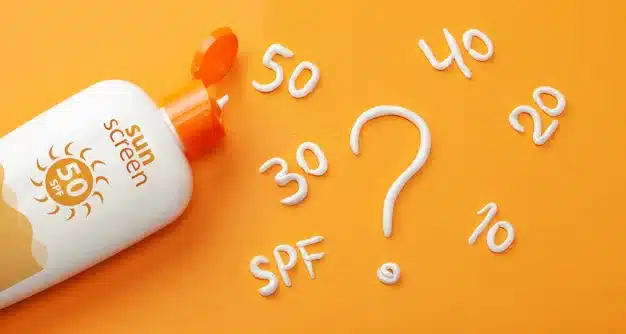
SPF mainly reflects protection against UVB radiation, which contributes to sunburn and skin cancer. For everyday facial use, SPF 30 provides a good baseline, while SPF 50 or SPF 50+ gives a higher margin of protection and is often preferred in Singapore, especially for people who spend significant time outdoors.
UVA protection deserves the same attention. UVA penetrates more deeply into the skin and contributes to photoageing, pigmentation and uneven skin tone. Look for broad-spectrum protection together with a strong UVA rating, such as PA+++ or PA++++ when the product uses the PA system.
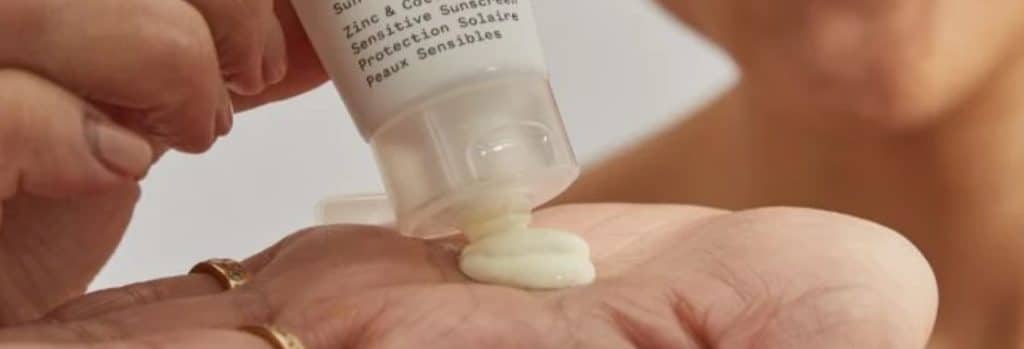
A very high SPF does not compensate for a thin application. Sunscreen testing assumes a defined amount of product on the skin, so applying only a small dab across the whole face lowers the protection considerably. An even layer across the face, ears, hairline, jawline and exposed neck gives a better chance of achieving the protection stated on the label.
Singapore’s Climate Changes What Feels Comfortable
Humidity affects texture more than protection. Thick creams can feel heavy once sweat and sebum accumulate, while very matte formulas may become uncomfortable on skin that is dry, irritated or receiving active treatment.
A fluid, milk or lightweight lotion often suits daily commuting and office wear. Richer creams can work well for drier skin, particularly when air conditioning leaves the face feeling tight. The ideal texture depends on how your skin behaves over several hours, not how the sunscreen feels immediately after application.
Sweating adds another consideration. A product that stays comfortable during an indoor workday may perform differently during a long walk, outdoor sport or lunch outside. In these situations, water resistance and easier reapplication matter more.
Oily and Acne-Prone Skin Needs Balance
A good sunscreen for oily skin should protect without leaving a dense layer that gets increasingly greasy as the day goes on. Lightweight fluids, gels and thin emulsions often feel easier to wear on skin that produces more sebum.
Look for non-comedogenic formulations when breakouts are a concern. A matte finish can reduce shine, although very drying formulas may cause problems if the skin already receives retinoids, benzoyl peroxide or exfoliating acids. Oily skin can still become dehydrated and irritated.
Acne treatment can also change sunscreen tolerance. A product that felt comfortable before starting a retinoid may begin to sting once the skin becomes more sensitive. In that situation, changing the sunscreen base or simplifying the morning routine may work better than adding another mattifying step.
Dry and Sensitive Skin Often Needs a Creamier Base
Dry skin usually benefits from a sunscreen that contributes some moisturising support rather than relying on a separate lightweight gel formula. Creams containing humectants, emollients or barrier-supporting ingredients can reduce the tight feeling that sometimes develops after several hours in air conditioning.
Sensitive skin needs more individualisation. Fragrance, alcohol, preservatives and the overall formulation can trigger irritation in some people. Mineral filters such as zinc oxide or titanium dioxide may suit some reactive skin, but they are not automatically better tolerated by everyone.
People with eczema, rosacea or recurrent facial dermatitis may react to products for reasons unrelated to the UV filters themselves. Persistent burning, itching or rash after sunscreen deserves a closer look at the full ingredient list and the skin condition underneath the reaction.
Mineral and Organic Sunscreens Work Differently
Mineral sunscreens use zinc oxide, titanium dioxide or both. They provide broad UV protection and can work particularly well for people who prefer formulas with fewer organic filters. Modern mineral sunscreens are more refined than older versions, although some still leave a visible cast on deeper skin tones.
Organic sunscreens use carbon-based UV filters that absorb ultraviolet radiation. These formulas can be very light, transparent and cosmetically elegant, which often makes them comfortable in humid weather.
There is no clinical reason to assume that one category suits everyone. A fragrance-free organic fluid may feel gentler than a heavily fragranced mineral cream. Filter type is one part of the decision. Texture, vehicle and overall formulation often determine how the skin responds.
Pigmentation Requires Strong UVA Protection
Melasma, post-inflammatory hyperpigmentation and recurrent dark marks tend to respond poorly to inconsistent sun protection. UVA exposure can deepen pigmentation even when the skin does not burn, which makes broad-spectrum coverage particularly relevant.
Visible light can also contribute to melasma and pigmentation in susceptible skin. Tinted sunscreens containing iron oxides can add protection in this part of the spectrum and may suit patients managing stubborn facial pigmentation.
Tint also affects cosmetic wearability. A mineral sunscreen that leaves a pale or grey cast may encourage someone to apply less than they need. A tint that matches the skin can improve both appearance and application consistency.
Outdoor Activity Calls for a Different Formula
A weekday spent mostly indoors does not place the same demands on sunscreen as tennis, running, swimming or several hours outdoors. More active days call for a product that tolerates perspiration and water exposure.
Water-resistant sunscreen is a better choice for exercise, swimming or prolonged outdoor activity. It still needs reapplication because sweat, water and towel drying gradually disturb the protective film.
During extended outdoor exposure, reapply around every two hours and after swimming or heavy perspiration. Hats, sunglasses, shade and protective clothing reduce the amount of UV reaching the skin and make sunscreen part of a broader protection strategy.
Reapplication Depends on What Your Day Looks Like
Someone working most of the day indoors does not need to reapply sunscreen in the same way as someone spending the afternoon outside. Sun exposure, sweating, swimming, and physical rubbing should guide how often you need to reapply.
A morning application can remain adequate for a largely indoor day with limited direct exposure. Longer periods outside call for regular reapplication, particularly around midday and during activities that cause sweating.
Reapplication over makeup can be awkward. Sticks, cushions and sprays can make topping up easier, although they may deposit less product than a full liquid or cream application. When outdoor exposure is substantial, a conventional sunscreen layer provides more predictable coverage.
Sunscreen and Makeup Need to Work Together
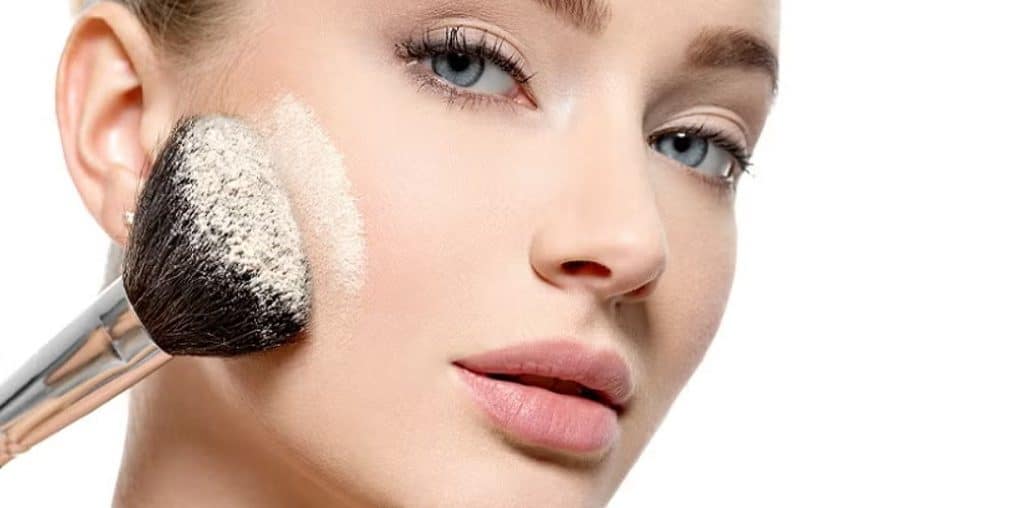
Sunscreen should form the final step of morning skincare before makeup. Letting it settle for a few minutes can reduce movement of the sunscreen film when you apply foundation or concealer.
Pilling often comes from the interaction between several layers rather than from the sunscreen alone. Multiple serums, heavy moisturisers, silicone-rich primers and sunscreen can roll together when too much product is applied, or each layer has not had time to settle.
Makeup with SPF should not replace a dedicated sunscreen. Most people apply foundation, cushion or tinted moisturiser in much smaller quantities than would be required to achieve the stated SPF across the whole face.
Sunscreen Choice Changes After Dermatological Procedures
Laser treatment, chemical peels, microneedling and other procedures can temporarily make the skin more reactive. A sunscreen that normally feels comfortable may sting during early recovery.
Aftercare should match the procedure. A simple, fragrance-free formula may be preferred while the skin settles, along with shade and physical sun protection. The timing for returning to usual skincare depends on how deeply the treatment affected the skin.
Pigmentation control is especially important after procedures. UV exposure can contribute to post-inflammatory hyperpigmentation, especially in skin that already develops dark marks easily. Consistent sun protection supports recovery and helps preserve treatment results.
Sunscreen for Pigmentation Is Different From Sunscreen for Acne
Two patients can both need SPF 50 and still need completely different products. Someone treating melasma may prioritise strong UVA coverage, tint and visible-light protection. Someone with acne may care more about a lightweight non-comedogenic base that remains comfortable over acne medication.
A patient with eczema may need a creamier formula with minimal fragrance and less potential for stinging. Someone who swims regularly may care more about water resistance than cosmetic finish.
That is why choosing sunscreen for Singapore works better when you start with your skin condition and daily routine rather than a general “best sunscreen” list.
When Sunscreen Keeps Causing Problems
Repeated breakouts after using sunscreen don't always mean the product is clogging pores. Folliculitis, irritation, perioral dermatitis and acne can look similar, especially when small red bumps appear around the mouth, nose or hairline.
Burning can also come from an irritated skin barrier rather than a sunscreen allergy. If the skin already stings with moisturiser, cleanser and water, changing sunscreen brands repeatedly may not solve the underlying problem.
Persistent facial reactions, eyelid irritation or rashes that return with several different products deserve dermatological assessment. Identifying the condition behind the reaction makes future product selection much easier.
For oily or acne-prone skin, lighter non-comedogenic formulas often feel more comfortable. Dry skin may benefit from a richer base. Pigmentation-prone skin may gain more from a tinted sunscreen with strong UVA protection. Outdoor activity increases the need for water resistance and regular reapplication.
A sunscreen does not need to contain every skincare ingredient or promise multiple cosmetic benefits. Protection, tolerability and consistent application deserve priority over a long ingredient list.
How Lumine Dermatology Can Help
Sunscreen selection can become more complicated when acne, eczema, rosacea, melasma, post-inflammatory pigmentation or recent procedures affect how the skin responds to products. In these situations, the sunscreen needs to fit into the treatment plan rather than work as a separate cosmetic purchase.
Lumine Dermatology & Laser Clinic can assess the skin condition affecting sunscreen tolerance and advise on the formulation that best suits the treatment goals. This may involve adjusting the surrounding skincare routine, choosing a different texture or identifying ingredients that repeatedly trigger irritation.
The right sunscreen should be easy to use consistently and protective enough for how you spend your day.
Frequently Asked Questions
Is SPF 50 better than SPF 30 in Singapore?
SPF 50 provides greater UVB protection than SPF 30, although both can provide strong protection when applied correctly. Many people in Singapore prefer SPF 50 or SPF 50+ because of frequent year-round UV exposure.
Application quantity still affects the result. A thin layer of SPF 50 may provide less real-world protection than a generous, even application of SPF 30.
What sunscreen is best for oily skin in Singapore?
Lightweight fluids, gels and thin lotions often suit oily skin because they feel less heavy in humid weather. Non-comedogenic formulations can be a better fit for people who develop acne easily.
Very matte formulas can become drying if acne treatment has already made the skin sensitive. The most suitable texture should control excess shine without leaving the skin tight or irritated.
Should I use mineral sunscreen if I have sensitive skin?
Mineral sunscreen can work well for sensitive skin, but it is not the only option. Some people tolerate organic UV filters without difficulty.
The surrounding formulation can affect irritation more than the filter category. If your skin reacts easily, pay closer attention to fragrance, alcohol, and other ingredients.
Do I need sunscreen indoors in Singapore?
Daily sunscreen remains sensible if you spend time near windows, commute during daylight or move between indoor and outdoor environments throughout the day.
Someone spending an entire day away from windows has much less UV exposure than someone working beside a large window or travelling outside repeatedly. Daily routine should guide reapplication rather than a rigid rule.
Is tinted sunscreen better for melasma?
Tinted sunscreens containing iron oxides can provide additional protection from visible light, which can contribute to melasma in susceptible skin. They can therefore be a good choice alongside strong UVA and UVB protection.
The tint should still match the skin well enough to allow generous application. An unnatural-looking colour can lead to under-application.
Why does sunscreen sting around my eyes?
Sunscreen can migrate into the eye area with sweat, or the formulation may irritate sensitive eyelid skin. Recently irritated skin, eczema and some active skincare products can make this area more reactive.
A formula designed for sensitive skin may feel better, but persistent eyelid burning or dermatitis needs assessment if changing products doesn't resolve it.
Healthy skin, Happy mood.
We've got your back!
Every skin concern matters. Drop an enquiry, and we'll get back to you within one working day.
Address:
1 Scotts Road #04-15/16 Shaw Centre Singapore 228208
Operation hours
Mon-Fri - 9am to 6pm | Sat - 9am to 1pm | Closed on Sundays & Public Holidays