


Paediatric Eczema Treatment in Singapore

Medically reviewed by Dr. Evelyn Tay
FRCP (Edinburgh), FAMS (Dermatology)
Eczema can leave a child’s skin dry, inflamed, and intensely itchy. Frequent scratching may interrupt sleep, affect concentration, and make ordinary activities uncomfortable. For parents, repeated flares can also create uncertainty around skincare, prescription creams, food, and possible triggers.
Lumine Dermatology & Laser Clinic provides specialist child eczema treatment for babies, children, and adolescents. We assess the pattern and severity of the condition, then create a practical care plan for active flares and longer-term control.
How Eczema Appears in Babies and Children
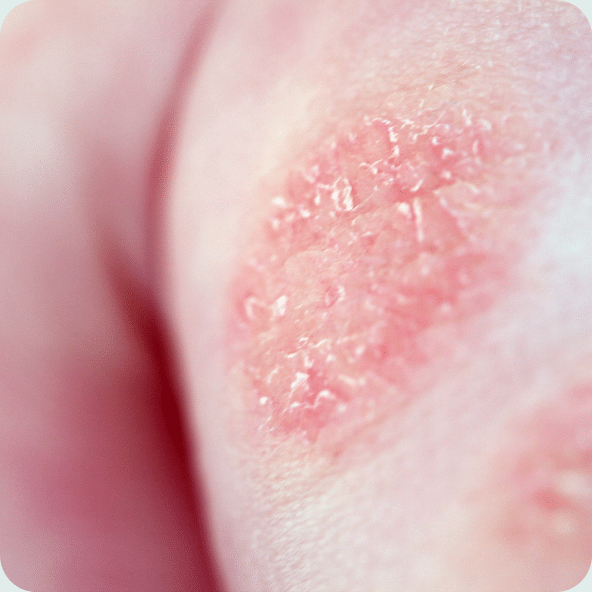
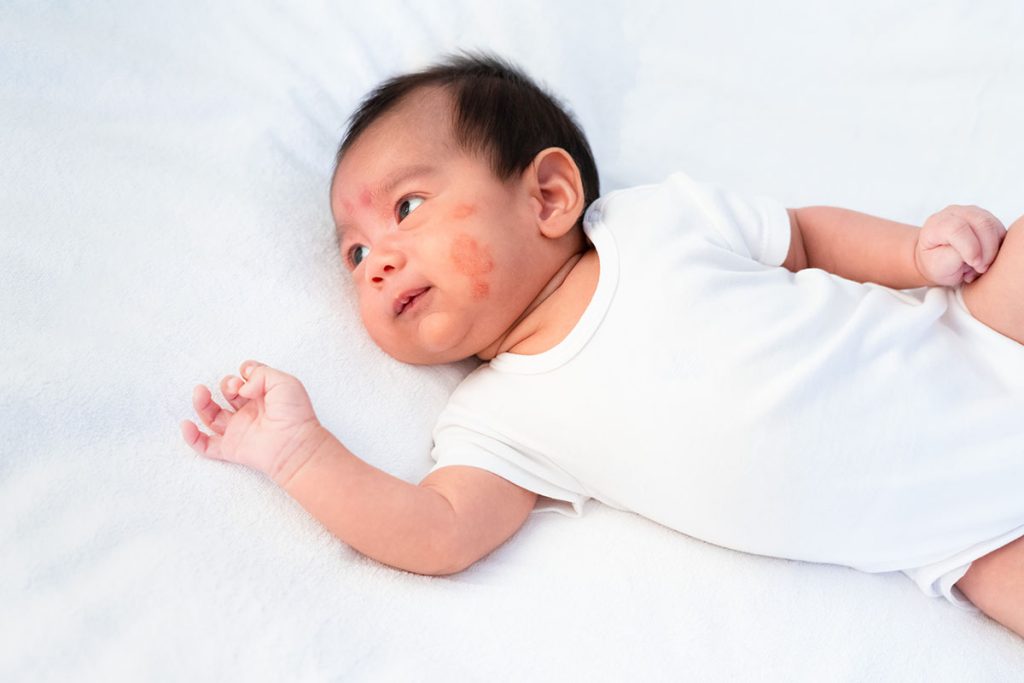
During the first year of life, infantile or baby eczema commonly affects the cheeks, forehead, and scalp. Beyond the first year of life, eczema will start to localize on the outer surfaces of the arms and legs. The skin may look dry, rough, inflamed, weepy, or crusted. As children grow, eczema often becomes more prominent around the elbows, knees, wrists, ankles, hands, neck, and other skin folds. When the children progress into their teenage years, this eczema usually gets better but for some may remain localized to the skinfolds, eyelids, hands and feet.
Eczema does not always appear bright red. On more pigmented skin, affected areas may look brown, purplish, grey, lighter, or darker than the surrounding skin. Repeated scratching can thicken the skin and leave lingering colour changes after the inflammation settles. This is a condition known as lichen simplex chronicus.
When Your Child Should See a Dermatologist
A dermatology consultation can help when eczema keeps returning, spreads across several areas, disrupts sleep, or fails to improve with routine moisturising or off-the-counter pharmacy products. Specialist review is also useful when parents feel uncertain about prescription treatment or find it difficult to keep flares controlled.
Arrange prompt care if the skin becomes painful, warm, swollen, blistered, weepy, or covered with yellow crusts. Fever, rapidly worsening eczema, or clusters of painful blisters may indicate an infection that needs timely medical treatment.
Your Child’s Eczema Consultation

The consultation begins with an examination of the affected skin and a review of how symptoms have changed over time. We assess the distribution, severity, dryness, scratching, sleep disruption, pigment changes, and signs of infection. Previous creams, medications, skincare products, bathing habits, and known allergies also help guide the assessment.
Most childhood eczema can be diagnosed clinically. Additional testing may help when the rash has an unusual pattern, repeatedly affects the same areas, or appears linked to specific products. Patch testing, skin swabs, or other investigations may be considered when clinically appropriate.
Child Eczema Treatment
A successful treatment plan needs to address both the damaged skin barrier and the inflammation driving the itch. The plan may change as the skin improves, with stronger support during a flare and a simpler maintenance routine when the condition is calm.
At Lumine Dermatology, child eczema treatment may include daily emollients, prescription anti-inflammatory creams, wet wraps, infection treatment, trigger review, and advanced therapy for persistent or severe disease. We explain each step clearly so parents know what to use, where to apply it, and how long treatment should continue.
Moisturisers and Skin Barrier Care
Regular emollient use helps reduce dryness and strengthens the skin barrier. The right texture depends on the affected area, climate, severity, and your child’s tolerance. Some children prefer creams during the day and richer ointments on very dry areas or before bed.
We can recommend parents suitable cleansers and moisturisers without creating an unnecessarily complicated routine. Fragrance-free products and gentle washing usually reduce exposure to common irritants.
Prescription Treatment for Active Flares
Topical corticosteroids can reduce inflammation and itch during an eczema flare. The correct strength depends on your child’s age, the body area, and the severity of inflammation. Delicate areas such as the face and eyelids need different care from thicker skin on the hands, feet, arms, or legs.
Steroid-sparing creams such as topical calcineurin inhibitors or phosphodiesterase-4 (PDE4) inhibitors may suit selected areas or children who need longer-term anti-inflammatory care. We provide specific instructions to help parents use prescription treatments safely and effectively.
Wet Wraps for Severe Itching
Wet wrap therapy may help during a severe flare when the skin feels very dry, itchy, or difficult to settle. The wraps improve hydration and can increase the effect of prescribed topical medication under medical guidance.
This technique needs clear instructions because the products, body areas, and duration should suit the child. We teach parents how to use wet wraps safely when they form part of the treatment plan.
Treatment for Infected Eczema
Scratching can damage the skin surface and allow bacteria or viruses to enter. Infected eczema may need a skin swab, antiseptic care, antibiotics, antiviral medication, or changes to the anti-inflammatory treatment.
Treating infection without controlling the eczema may lead to another episode. We address both concerns and review the factors that may have contributed to the infection.
Care for Persistent or Severe Eczema
Some children continue to experience widespread inflammation, frequent flares, severe itch, or sleep loss despite consistent topical care. These cases need a broader review of diagnosis, treatment use, infection, contact allergy, and other factors that may keep the condition active.
Options for suitable patients may include phototherapy, oral medication, or targeted biologic treatment. Dupilumab may be considered for selected children with moderate to severe atopic eczema. Treatment choice depends on age, disease severity, medical history, and response to previous care.
Eczema Triggers and Allergy Concerns
Heat, sweat, dry skin, fragranced products, harsh cleansers, rough fabrics, dust, and repeated friction can aggravate eczema. Triggers differ between children, so removing many products or foods at once rarely provides a clear answer. A focused review helps identify patterns that have practical relevance.
Food allergy can occur alongside eczema, particularly in some babies and young children, yet food does not cause every flare. Restrictive diets can affect growth and nutrition. Allergy testing or dietary changes should follow a clear clinical history and professional advice rather than eczema alone.
A Practical Home Care Plan
Parents should leave the consultation with a routine they can follow. This includes guidance on bathing, moisturiser application, prescription treatment, itch control, and signs that need review. A written flare plan can make it easier to act early instead of waiting for the eczema to become severe.
Treatment often needs adjustment as children grow or their eczema pattern changes. Follow-up allows us to review progress, refine the routine, and reduce unnecessary treatment while keeping the skin comfortable.
Why Choose Lumine Dermatology

At Lumine Dermatology & Laser Clinic, we provide specialist dermatology care for babies, children, and adolescents. Our experienced dermatologists lead assessment and treatment, with care tailored to the child’s age, skin type, symptoms, and family routine.
Families looking for a child eczema specialist in Singapore receive diagnosis-led care, clear treatment instructions, and access to both established and advanced eczema therapies. Our clinic at Shaw Centre in Orchard also provides convenient access for review appointments when treatment needs adjustment.
Book a Paediatric Eczema Consultation
Book a consultation if your baby or child has persistent dry skin, repeated rashes, severe itching, sleep disruption, or eczema that has not improved with current care. Early treatment can calm inflammation and help prevent scratching, infection, and prolonged discomfort.
Contact Lumine Dermatology & Laser Clinic to arrange an appointment for paediatric eczema treatment in Singapore.
FAQs
Can baby eczema clear as a child grows?
Some children experience fewer flares as they grow, while others continue to have eczema into later childhood or adulthood. Early care can reduce symptoms and protect the skin while the condition remains active.
Is there a permanent cure for childhood eczema?
Eczema is a chronic condition with periods of improvement and flare-ups. Treatment can control inflammation, relieve itch, repair the skin barrier, and reduce the frequency and severity of future episodes.
Are topical steroids safe for children?
Topical corticosteroids can be used safely when the strength, body area, quantity, and duration suit the child. Problems are more likely when treatment is used incorrectly. We give parents precise application instructions and review longer treatment courses.
Can my child’s eczema be treated without steroid creams?
Some children may use non-steroidal anti-inflammatory creams for selected areas or maintenance care. The most appropriate option depends on age, eczema severity, affected site, and previous response to treatment.
Should my child have allergy testing?
Routine allergy testing is not necessary for every child with eczema. Testing may help when symptoms suggest an immediate food allergy, contact allergy, or another specific trigger. The dermatologist will advise if testing is likely to provide useful information.
Can eczema become infected?
Yes. Scratching can break the skin and allow infection to develop. Increased pain, oozing, yellow crusts, swelling, fever, or a sudden widespread flare should receive medical review.
How often should moisturiser be applied?
Most children benefit from moisturiser at least once or twice daily and after bathing. Very dry skin may need more frequent application. The amount and product texture should suit your child’s skin and daily routine.
When does severe eczema need advanced treatment?
Advanced treatment may be considered when eczema remains widespread, frequently disrupts sleep, causes repeated infection, or responds poorly to suitable topical care. A dermatologist can assess options such as phototherapy, systemic medication, or biologic treatment such as dupilumab.

Dr. Evelyn Tay
FRCP (Edinburgh), FAMS (Dermatology)

