


Child Fungal and Bacterial Skin Infection Treatment

Medically reviewed by Dr. Evelyn Tay
FRCP (Edinburgh), FAMS (Dermatology)
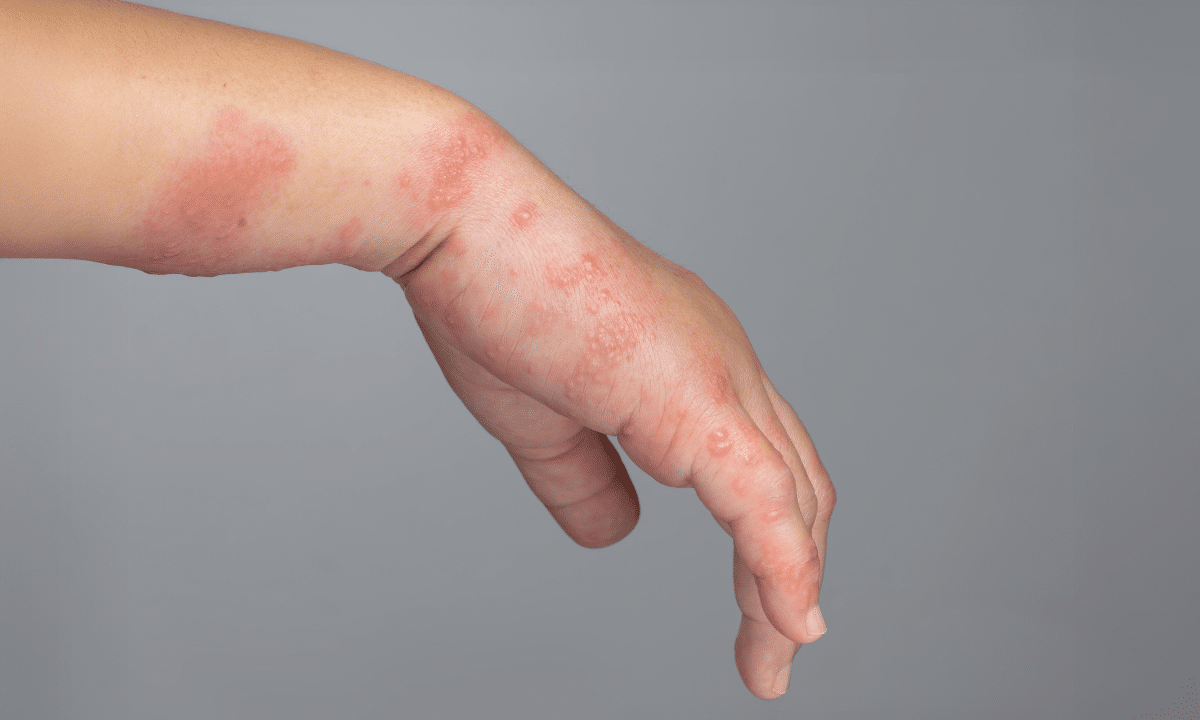
Skin infections can cause itching, pain, crusting, swelling, or rapidly spreading rashes in children. Prompt diagnosis helps parents start the correct treatment and reduce transmission to siblings, classmates, and other close contacts.
Lumine Dermatology & Laser Clinic provides specialist child skin infection treatment in Singapore. We diagnose and treat common fungal and bacterial conditions with care tailored to your child’s age, symptoms, skin type, and comfort.
Fungal and Bacterial Infections Lumine Dermatology Treats
Common fungal infections in children include ringworm on the body, scalp ringworm, athlete’s foot, fungal nail infections, and rashes within warm skin folds. These conditions may cause circular scaly patches, peeling, itching, broken hairs, localised hair loss, or changes to the nails.
Bacterial infections can include impetigo, folliculitis, boils, abscesses, and cellulitis. Symptoms may include honey-coloured crusts, blisters, pus-filled bumps, painful lumps, warmth, or spreading redness. Each condition requires a different approach, so treatment begins with confirming the cause.
When Your Child Needs a Dermatology Review
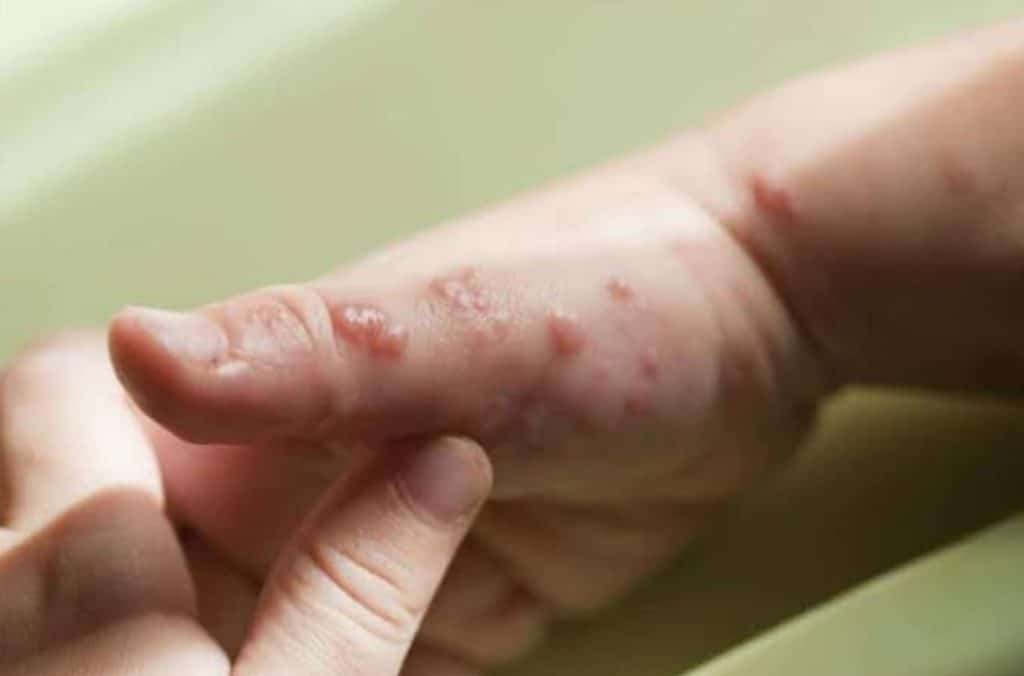
Arrange an assessment if a rash continues to spread, affects the scalp or nails, becomes painful, or fails to improve after initial care. Recurrent infections also need review, especially when they return in the same area or affect several family members.
Seek prompt medical attention if your child develops fever, increasing swelling, rapidly expanding redness, red streaks, severe tenderness, or an infection near the eyes. These signs may point to a deeper bacterial infection that requires timely treatment.
How We Diagnose Skin Infections
Your child’s consultation begins with a careful examination of the affected skin. We assess the shape, edge, colour, scale, crusting, swelling, tenderness, hair changes, and pattern of spread. We may also ask about recent swimming, sports, pets, travel, school exposure, household symptoms, and treatments already tried.
Some infections can be diagnosed from their appearance. When confirmation would improve treatment accuracy, we may take a fungal skin scraping, bacterial swab, or culture. Testing can be helpful for recurrent, widespread, or treatment-resistant infections.
Ringworm Treatment for Children
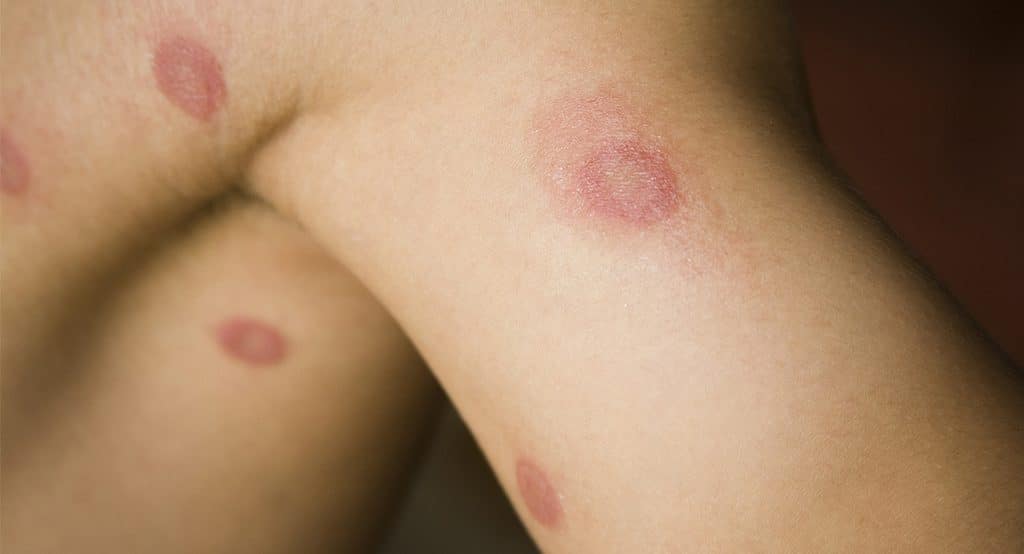
Ringworm is a fungal infection that can affect the body, scalp, feet, groin, or nails. On the body, it often forms an itchy, scaly patch with a defined edge. Scalp ringworm may cause scaling, broken hairs, bald patches, or a painful swollen area.
Ringworm treatment for a child depends on where the infection appears. A localised body rash may respond to antifungal cream. Scalp ringworm usually requires oral antifungal medicine because topical creams cannot reach the infection around the hair roots effectively. We advise parents on medication use, treatment duration, follow-up, and preventing reinfection.
Impetigo Treatment for Children
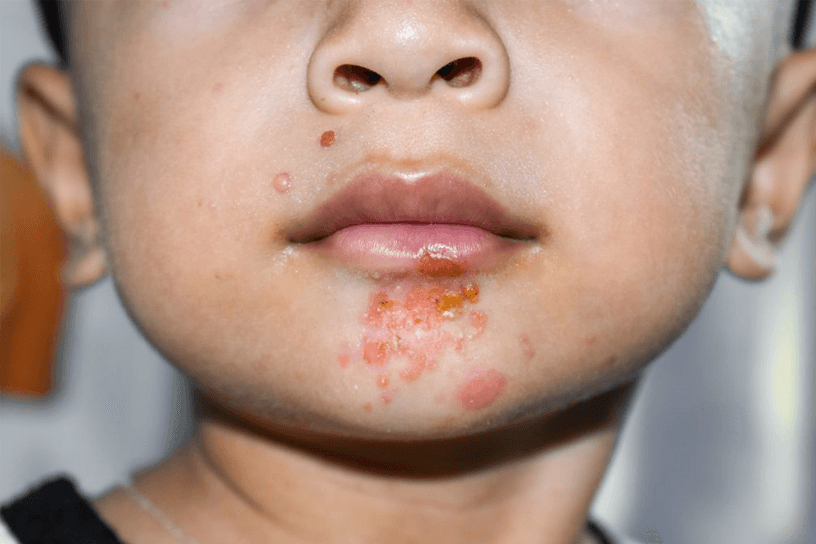
Impetigo is a contagious bacterial infection that often affects the face, arms, or legs. It may begin as red spots or blisters before developing yellow or honey-coloured crusts. Scratching can transfer bacteria to nearby skin.
Impetigo treatment may include a topical antibiotic, antiseptic care, or oral antibiotics. The choice depends on the number of affected areas, the severity of the infection, and your child’s general health. We also provide guidance on wound care, school attendance, hand hygiene, and reducing spread at home.
Treatment for Folliculitis, Boils and Cellulitis
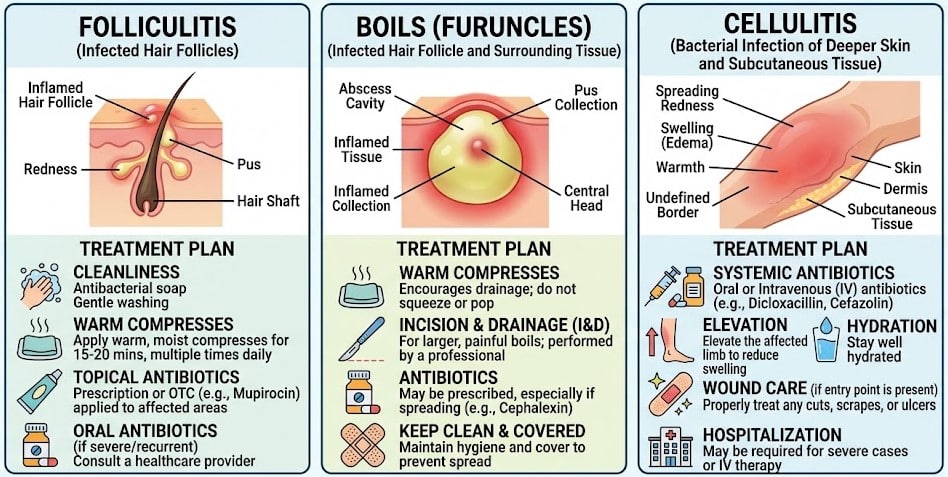
Folliculitis causes inflamed or pus-filled bumps around hair follicles. Mild cases may respond to topical treatment and changes in hygiene. Recurrent or widespread folliculitis may need a bacterial swab, prescription medication, or review of contributing factors such as friction, sweating, or contaminated equipment.
Boils and abscesses create deeper, tender lumps that contain pus. Some need drainage, antibiotics, or both. The symptoms of cellulitis include painful, warm, spreading redness, and potentially fever or tiredness. It requires prompt medical treatment because the infection can extend into deeper tissues.
Fungal Skin Infection Treatment
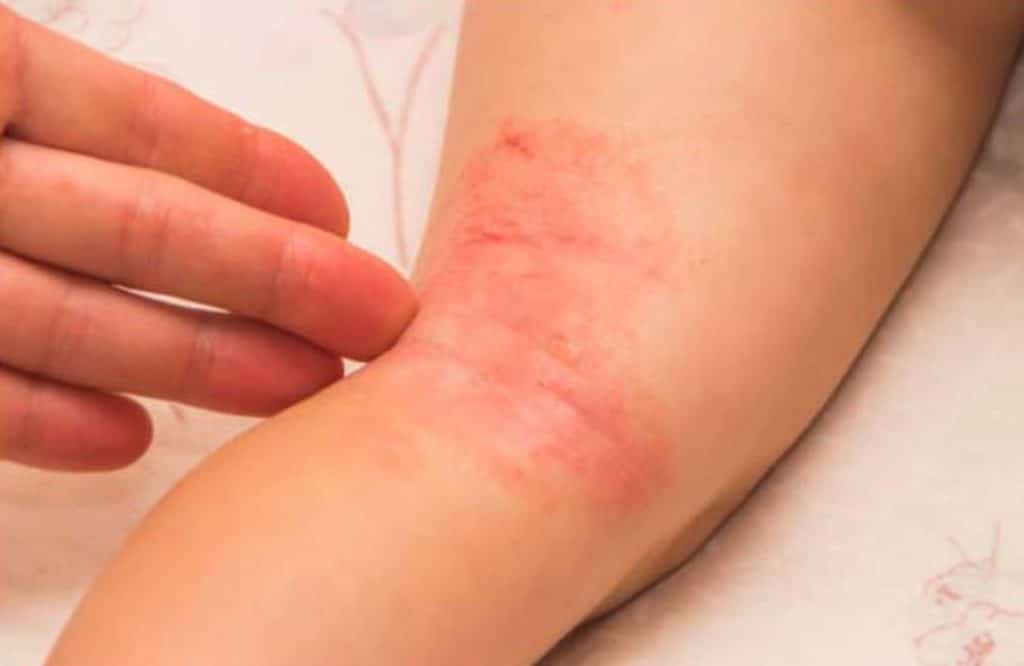
Treating a fungal skin infection requires considering the specific fungus, the affected body part, and how widespread the rash is. Options may include antifungal creams, medicated shampoos, or oral antifungal medicine. Scalp and nail infections generally require longer treatment than a small fungal rash on the body.
It is important to complete the recommended course, even when the skin starts to look clearer. Stopping medication too early can allow the infection to return. Follow-up may help confirm that the infection has cleared, particularly when the scalp, nails, or several body areas are involved.
What to Expect During Treatment
We give parents clear instructions on how much medication to use, where to apply it, and how long treatment should continue. We also explain which changes should appear first and when a follow-up appointment may be useful.
Bacterial infections often begin to improve within several days after suitable treatment starts. Fungal infections may take longer, especially on the scalp or nails. Contact the clinic if symptoms worsen, new areas appear, or your child develops fever, increasing pain, or swelling.
Reducing Infection Spread at Home
Encourage frequent handwashing and keep your child’s nails short. Do not share towels, clothing, socks, combs, brushes, bedding, helmets, or sports equipment while an infection remains active. Wash frequently used fabrics and clean shared items according to the care instructions provided.
Keep fungal rashes dry and change damp clothing after sport or swimming. Cover bacterial sores when advised and discourage scratching or squeezing. If a household member develops similar symptoms, they may also need assessment. Pets with scaling or patches of hair loss should receive veterinary review, as some fungal infections can pass between animals and children.
Why Choose Lumine Dermatology & Laser Clinic

Lumine Dermatology & Laser Clinic provides specialist paediatric dermatology care for common and complex childhood skin conditions. Our experienced dermatologists provide diagnosis and treatment, with a careful approach suited to young patients.
Parents receive a clear diagnosis, a practical treatment plan, and guidance for home care and follow-up. Our clinic at Shaw Centre in Orchard provides convenient access for families seeking fungal or bacterial child skin infection treatment in Singapore.
Book a Paediatric Skin Infection Consultation
Arrange a consultation if your child has a spreading scaly rash, scalp changes, crusted sores, pus-filled bumps, painful swelling, or an infection that keeps returning. Early assessment can reduce discomfort and help prevent further spread.
Contact Lumine Dermatology & Laser Clinic to book an appointment for fungal or bacterial skin infection treatment for your child.
FAQs
How can I tell ringworm from a bacterial infection?
Ringworm commonly causes itchy, scaly patches with a defined or circular edge. Bacterial infections may cause crusting, blisters, pus, warmth, pain, or swelling. Some conditions look similar, so a dermatologist may need to examine or test the rash.
Can pharmacy cream treat ringworm in children?
Some localised fungal rashes may improve with an appropriate antifungal cream. Scalp ringworm, nail infection, widespread rashes, and persistent symptoms need medical review. These conditions may require prescription oral medicine.
How long does impetigo treatment take?
Improvement often begins within a few days after the correct treatment starts. Complete the full course prescribed by the dermatologist. Seek further advice if the sores spread, remain painful, or fail to improve.
Can my child attend school with a skin infection?
School attendance depends on the diagnosis, treatment stage, affected area, and school policy. Children with impetigo or other contagious infections may need to stay away from close-contact activities for a period after starting treatment. We provide guidance based on your child’s condition.
Why does a fungal infection keep returning?
Possible causes include stopping treatment early, sharing towels or sports equipment, damp footwear, an untreated scalp or nail infection, household transmission, or contact with an infected pet. Reassessment can help identify the source.
When is a child’s skin infection urgent?
Seek prompt care for fever, rapidly spreading redness, severe pain, increasing swelling, red streaks, infection around the eye, or a child who appears unwell.

Dr. Evelyn Tay
FRCP (Edinburgh), FAMS (Dermatology)

