Papular Eczema Causes, Treatment, and Prevention Tips
Article medically reviewed by Dr. Evelyn Tay
Dr Evelyn Tay is a MOH-accredited Consultant Dermatologist with over 15 years of experience, specialising in Mohs surgery, skin cancer treatment, aesthetics and laser therapy.
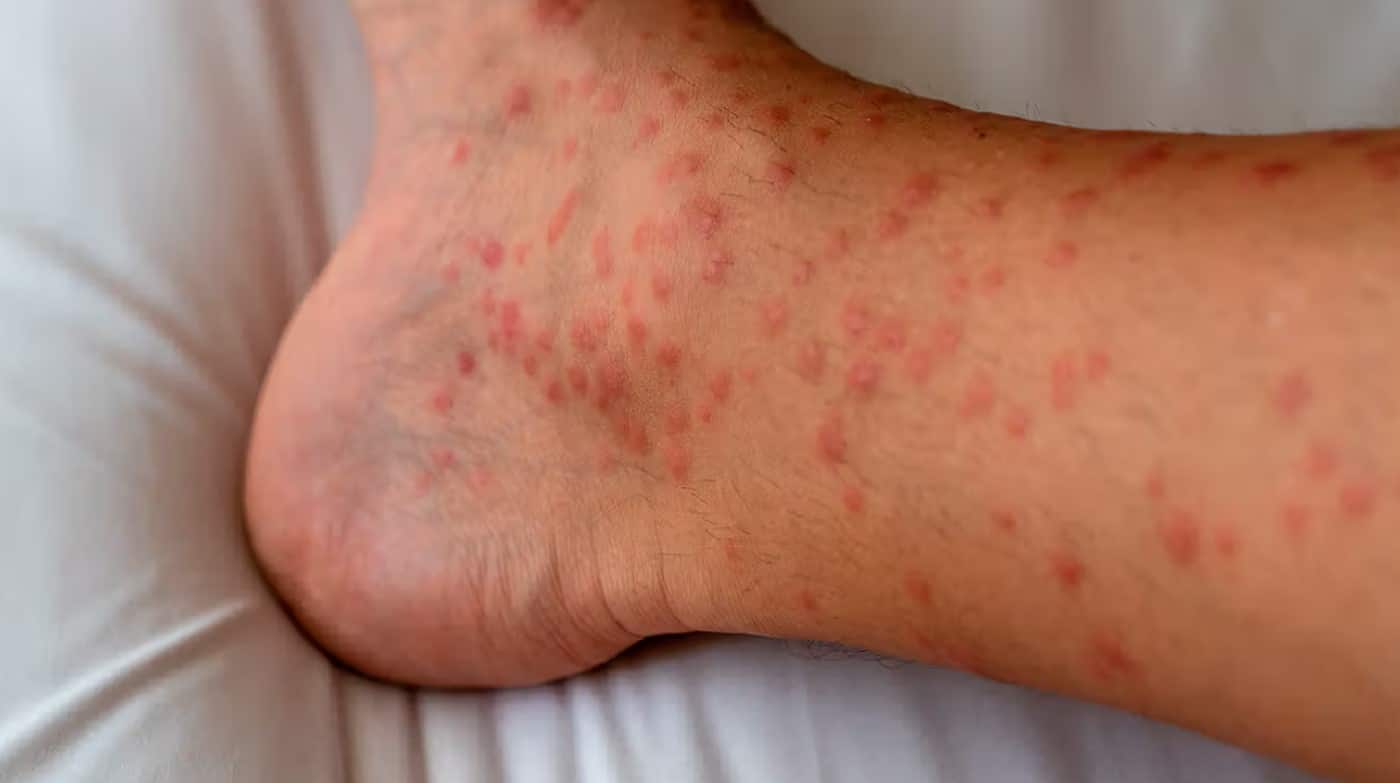
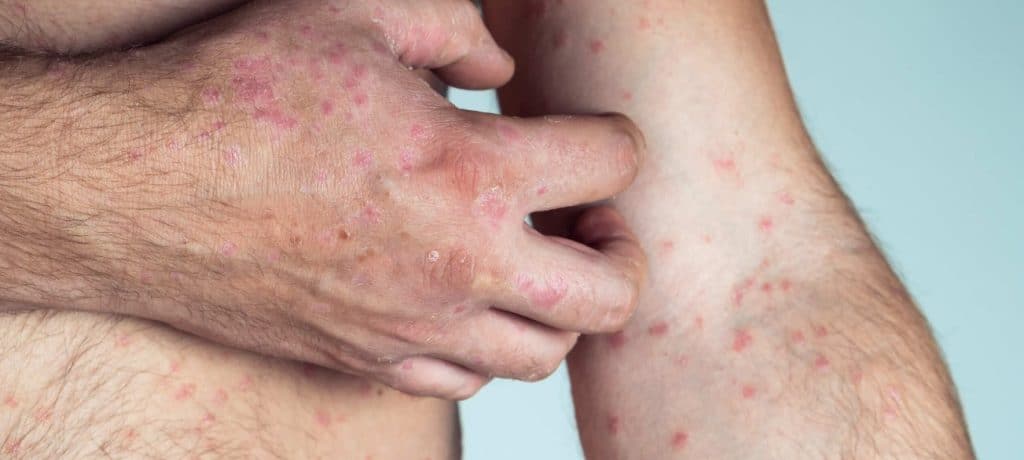
Papular eczema can feel especially frustrating because it does not always look like the dry, flat, red rash many people associate with eczema. Instead, it often appears as clusters of small raised bumps that itch, roughen, darken, or become inflamed. Some bumps feel firm. Others become scratched, crusted, or scaly. The rash may affect the arms, legs, trunk, neck, or other areas where heat, sweat, friction, and scratching worsen symptoms.
This type of eczema can affect children and adults. It may appear during a flare of atopic dermatitis or develop in people with a history of sensitive, dry, itchy skin. The most helpful treatment plan starts with the right diagnosis because papular eczema can resemble acne, folliculitis, insect-bite reactions, scabies, keratosis pilaris, and contact dermatitis. Once the cause and triggers become clearer, treatment can focus on calming inflammation, repairing the skin barrier, and reducing future flare-ups.
Papular eczema causes small raised bumps called papules. These bumps may look red, pink, brown, purple, grey, or skin-coloured, depending on the person’s natural skin tone and the level of inflammation. On more pigmented skin, eczema may look darker or purplish rather than bright red, which can make the condition harder to recognise early.
The bumps often itch intensely. Scratching may create scabs, thickened skin, scratch marks, or dark marks that remain after the flare settles. In some people, the bumps appear around hair follicles, giving the skin a rough, dotted texture. Others develop clustered patches that feel dry and uneven. The rash may come and go, although repeated flares can leave the skin more reactive over time.
Why Papular Eczema Develops
Papular eczema is usually linked to the same core processes seen in atopic dermatitis. The skin barrier does not hold moisture as well as it should, so water escapes more easily, and irritants enter more readily. This can lead to dryness, itching, inflammation, and a stronger reaction to everyday triggers such as sweat, soaps, detergents, fabrics, dust, and skincare ingredients.
The immune system also plays a role. In eczema-prone skin, the immune response can become overactive, triggering inflammation even with a minor trigger. Family history may increase the risk, especially when eczema, asthma, hay fever, or allergic conditions run in the family. Some people also have changes in barrier proteins, such as filaggrin, which can make the outer skin layer more vulnerable to dryness and irritation.
Common Triggers for Papular Eczema
Triggers vary from person to person, yet several patterns appear often. Heat and sweat can worsen itching, especially in humid weather or after exercise. Fragranced body washes, harsh cleansers, exfoliating scrubs, laundry detergents, and fabric softeners can irritate the skin. Wool, rough seams, tight clothing, and prolonged friction may also trigger bumps in eczema-prone areas.
Allergens can add another layer. Dust mites, pet dander, pollen, nickel, hair dye, preservatives, rubber chemicals, and certain skincare ingredients may worsen symptoms in some people. Stress, poor sleep, illness, and repeated scratching can make the skin more reactive.
A trigger diary can help reveal patterns, especially when flares follow workouts, new products, travel, clothing changes, or cleaning products.
Papular Eczema and Skin Tone
Papular eczema deserves careful assessment in more pigmented skin because inflammation may not appear as obvious redness. The bumps may look brown, grey, violet, or darker than the surrounding skin. After the itch settles, post-inflammatory hyperpigmentation may remain for weeks or months. This pigment change can be as distressing as the itch itself, especially when it affects visible areas.
Treatment should calm inflammation early and reduce scratching. Waiting too long can increase the chance of thickened skin, marks, and recurrent flares. A dermatologist can assess both active eczema and pigment changes, then advise on a plan to protect the skin barrier while reducing the risk of further discolouration.
Conditions That Can Look Similar
Papular eczema can be mistaken for several other skin concerns. Folliculitis may also cause small bumps, often centred around hair follicles, and can involve infection or irritation. Keratosis pilaris creates rough follicular bumps, usually on the upper arms, thighs, or cheeks, yet it often causes less itch than eczema. Scabies can cause intense itching and small bumps, especially at night, and it also requires specific treatment for close contacts.
Insect-bite reactions, contact dermatitis, acne, miliaria, prurigo, and psoriasis can also overlap in appearance. This is why persistent or spreading bumps should not be treated blindly with random creams. The wrong product can delay care or worsen irritation. A dermatologist can examine the pattern, distribution, symptoms, and skin history to separate papular eczema from other conditions.
How Dermatologists Diagnose Papular Eczema
Diagnosis usually begins with a detailed clinical examination. The dermatologist checks the bumps, surrounding skin, scratch marks, dryness, scale, thickening, signs of infection, and pigment changes. They may ask about childhood eczema, asthma, hay fever, product use, work exposure, hobbies, clothing, sweat patterns, pets, household contacts, and recent travel.
Tests may help when the diagnosis is unclear. A skin scraping can help rule out scabies or a fungal infection. A swab may help if the skin looks infected. Patch testing may suit patients with repeated flares linked to skincare, hair products, fragrances, preservatives, metals, rubber, or occupational exposure. In unusual cases, a small skin biopsy may help exclude other inflammatory skin diseases.
Papular Eczema Treatment Options
Papular eczema treatment usually starts with barrier repair and inflammation control. A plain moisturiser or emollient should be used generously and often, even when the flare improves. Creams or ointments with ceramides, glycerine, petrolatum, dimethicone, or other barrier-supporting ingredients can reduce dryness and make the skin less reactive. Soap substitutes and gentle cleansers can help prevent the skin from becoming stripped after washing.
During a flare, a dermatologist may prescribe a topical corticosteroid with the right strength for the body area and severity. Thicker skin on the arms or legs may require a different potency than on the face, neck, eyelids, or skin folds. Topical calcineurin inhibitors, such as tacrolimus or pimecrolimus, may suit sensitive sites or patients who need steroid-sparing treatment. The best plan balances fast itch relief with safe long-term control.
Treating Itch and Scratching
Itch drives much of the discomfort in papular eczema. Once scratching starts, the skin becomes more inflamed, the bumps thicken, and the itch often grows stronger. This cycle can affect sleep, concentration, exercise, and mood. Treating itch early helps protect the skin and reduces the chance of lingering marks.
Cool compresses, regular moisturising, trimmed nails, soft clothing, and avoiding overheating can help. Some patients may need antihistamines when itching disrupts sleep, although they do not treat the underlying eczema inflammation. If the skin thickens from long-term scratching, the dermatologist may adjust the treatment strength or use additional anti-inflammatory options to break the cycle.
When Infection Complicates Papular Eczema
Scratched eczema can become infected. Warning signs include increasing pain, warmth, swelling, oozing, yellow crusting, pus, fever, or rapidly spreading redness. Infected eczema requires medical review, as untreated infection can worsen inflammation and delay healing. Patients with recurrent infection may need a plan that addresses both bacteria and barrier weakness.
Cold sores can also complicate eczema in some patients. Sudden painful blisters, punched-out erosions, fever, or widespread worsening should be treated urgently. Do not keep applying over-the-counter creams if the rash looks infected or unusually painful. Prompt care can protect the skin and reduce complications.
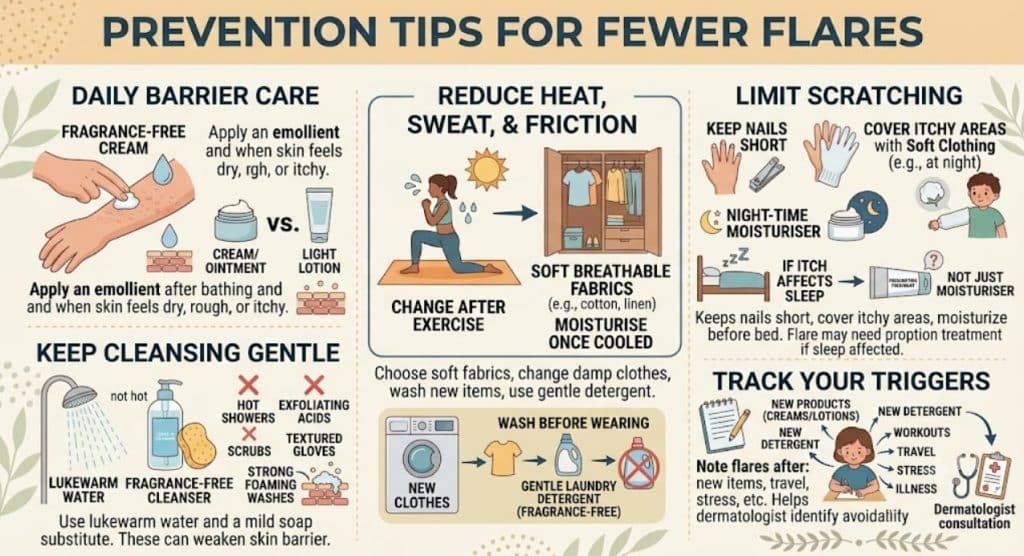
Prevention Tips for Fewer Flares
Preventing papular eczema flares starts with daily barrier care. Apply an emollient after bathing and again when the skin feels dry, rough, or itchy. Fragrance-free creams and ointments often work better than light lotions on bumpy eczema-prone areas, especially during active flares.
Keep Cleansing Gentle
Use lukewarm water and a mild soap substitute or fragrance-free cleanser. Avoid hot showers, scrubs, exfoliating acids, textured gloves, and strong foaming washes, as these can weaken the skin barrier and worsen itching.
Reduce Heat, Sweat, and Friction
Heat, sweat, and tight clothing can aggravate papular eczema. Choose soft breathable fabrics, change out of damp clothing after exercise, and moisturise once the skin has cooled. Wash new clothes before wearing them, and use a gentle laundry detergent without fragranced softener if fragrance triggers itching.
Limit Scratching
Scratching keeps inflammation active and can leave darker marks after the flare settles. Keep nails short, apply moisturiser before bed, and cover itchy areas with soft clothing if night-time scratching becomes a habit. If itch affects sleep, the flare may need prescription treatment rather than moisturiser alone.
Track Your Triggers
Note flares after new products, detergents, workouts, travel, stress, or illness. A simple pattern record can help your dermatologist identify avoidable triggers and decide if allergy, infection, or another skin condition needs targeted care.
Skincare Ingredients to Use Carefully
Eczema-prone skin often reacts badly to strong actives during a flare. Retinoids, exfoliating acids, benzoyl peroxide, fragranced body oils, essential oils, alcohol-heavy toners, and abrasive scrubs can sting or worsen inflammation. These ingredients may have a role for other skin concerns, yet they should not be applied over active papular eczema without medical advice.
Simple formulas usually work better. Look for fragrance-free products with moisturising and barrier-supporting ingredients. Avoid testing several new products at once, as it makes it harder to identify the trigger if irritation develops. If a product repeatedly causes burning, swelling, or new bumps, stop using it and bring the list of products to your dermatology appointment.
Treatment for Moderate or Persistent Papular Eczema
Some patients need more than moisturiser and short courses of topical treatment. If papular eczema keeps returning, covers large areas, disrupts sleep, or causes significant marks, a dermatologist may discuss phototherapy, stronger anti-inflammatory creams, wet wrap therapy, or advanced treatments for atopic dermatitis. Severe disease may need targeted oral or injectable medication under specialist care.
Treatment choice depends on age, body area, severity, infection history, pregnancy status, other medical conditions, and previous response to medication. Long-term control usually works better than repeated emergency treatment during severe flares. A structured plan can reduce itch, improve sleep, protect the skin barrier, and lower the risk of thickened skin or pigment changes.
When to See a Dermatologist
Book a dermatology review if small, itchy bumps persist for more than a few weeks, keep returning, spread quickly, disturb sleep, or leave dark marks. You should also seek care if the rash affects the face, eyelids, genitals, hands, or large areas of the body. These sites need careful treatment because skin thickness, function, and medication safety vary.
Seek prompt medical advice if the skin becomes painful, hot, swollen, crusted, blistered, or infected. A review is also useful if you suspect product allergy or if over-the-counter creams give only temporary relief. Papular eczema can improve with the right plan, yet many patients need tailored guidance to stop the cycle of itch, scratching, and flare-ups.
How Lumine Dermatology & Laser Clinic Can Help
Lumine Dermatology & Laser Clinic provides specialist care for eczema, including papular eczema, recurrent flares, sensitive skin, infection-prone eczema, and eczema with pigment changes. The consultation focuses on diagnosis first because itchy bumps can come from several different skin conditions. Once the cause becomes clearer, treatment can target inflammation, barrier repair, triggers, and long-term prevention.
Lumine Dermatology specialists can help patients build a practical treatment plan that fits daily life. This may include prescription creams, moisturiser guidance, trigger review, infection management, patch testing when relevant, and follow-up care for persistent eczema. The aim is calmer skin, fewer flares, better comfort, and greater confidence in managing eczema over time.
A Practical Takeaway
Papular eczema causes small, itchy bumps that may look red, brown, purple, grey, or skin-coloured. It often comes from the same barrier and immune changes seen in atopic dermatitis, although it can resemble other conditions. Accurate diagnosis helps prevent the wrong treatment and reduces the risk of ongoing itch, infection, scarring, or changes in pigmentation.
Good care combines daily moisturising, gentle cleansing, trigger reduction, and medical treatment when inflammation flares. If the bumps keep returning or the itch affects sleep, work, school, exercise, or confidence, a dermatologist can help develop a safer, more effective plan.
Healthy skin, Happy mood.
We've got your back!
Every skin concern matters. Drop an enquiry, and we'll get back to you within one working day.
Address:
1 Scotts Road #04-15/16 Shaw Centre Singapore 228208
Operation hours
Mon-Fri - 9am to 6pm | Sat - 9am to 1pm | Closed on Sundays & Public Holidays