Choosing the right skin professional can save time, money, and frustration. It can also protect your skin from treatments that may appear harmless online but can cause irritation, scarring, pigmentation, or delay medical care when used in the wrong situation.
The difference between an aesthetician and a dermatologist comes down to training, scope of care, and the type of skin concerns they can treat. An aesthetician focuses on cosmetic skin care and surface-level skin maintenance. A dermatologist is a medical specialist who diagnoses and treats conditions of the skin, hair, and nails. Both can support healthier-looking skin, yet they play very different roles.
Why This Difference Matters
Skin concerns can be deceptively complex. A breakout may look like ordinary acne, yet it could involve hormonal triggers, medication side effects, folliculitis, rosacea, or irritation from active skincare. Redness may come from sensitivity, eczema, contact allergy, rosacea, sun damage, or a reaction to a product. Pigmentation may follow acne, sun exposure, hormonal changes, inflammation, or an unsuitable treatment.
This is why the aesthetician vs dermatologist question matters. A cosmetic treatment may improve the appearance of the skin for a short time, while a medical consultation looks for the reason behind the concern. If the skin issue keeps returning, causes discomfort, leaves marks, or changes over time, medical assessment gives a safer starting point.
What an Aesthetician Does
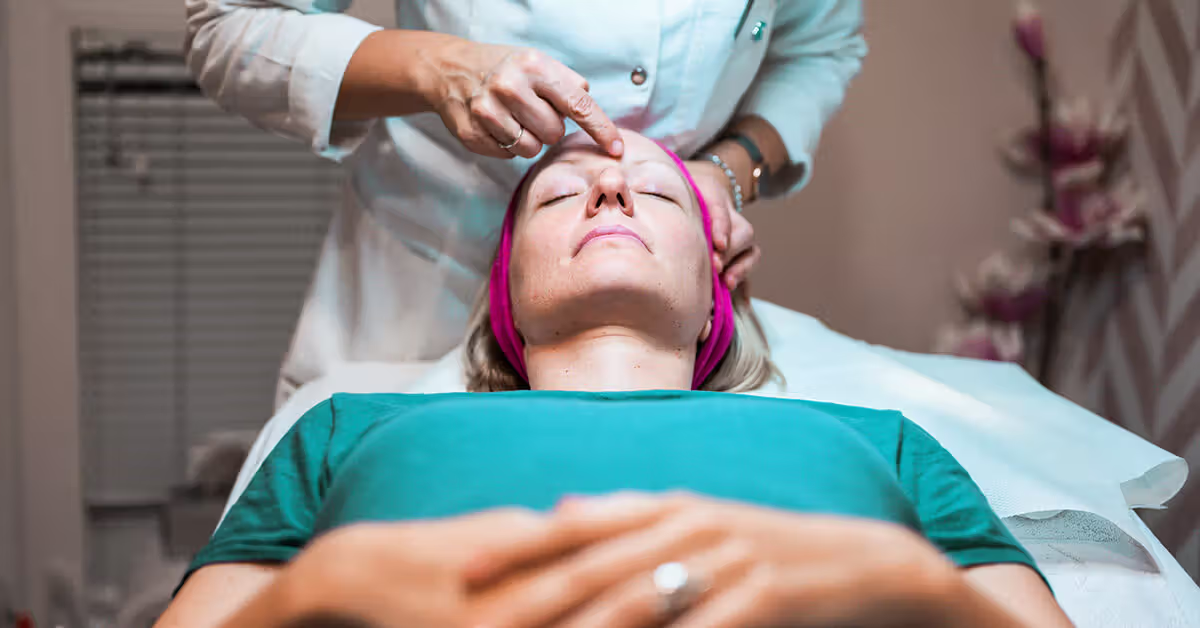
An aesthetician provides cosmetic skin treatments that aim to improve the look and feel of the skin’s surface. Common treatments may include facials, cleansing treatments, extractions, exfoliation, hydrating masks, facial massage, and product guidance for daily skin maintenance. Many people see an aesthetician for dullness, dryness, mild congestion, rough texture, or a short-term refresh before an event.
A skilled aesthetician can help someone build better skincare habits and choose products that suit their general skin type. This can be helpful when the skin is stable, and the goal is maintenance rather than medical treatment. However, an aesthetician does not diagnose skin disease, prescribe medication, remove suspicious skin growths, perform skin surgery, or manage complex inflammatory skin conditions.
What a Dermatologist Does
A dermatologist is a medical specialist trained to diagnose and treat conditions affecting the skin, hair, and nails. Dermatologists manage concerns such as acne, eczema, psoriasis, rosacea, pigmentation, melasma, rashes, skin infections, allergies, hair loss, nail disorders, scars, moles, cysts, and skin cancers. They can prescribe medication, perform medical procedures, request tests, and create long-term treatment plans.
Dermatologists also treat cosmetic concerns when medical judgement is needed. This may include lasers, injectables, scar treatment, mole removal, skin biopsies, prescription peels, acne scar procedures, and treatment for pigmentation or ageing-related changes. This medical background is important because many cosmetic concerns have an underlying skin condition that should be identified before treatment begins.
Aesthetician vs Dermatologist for Acne
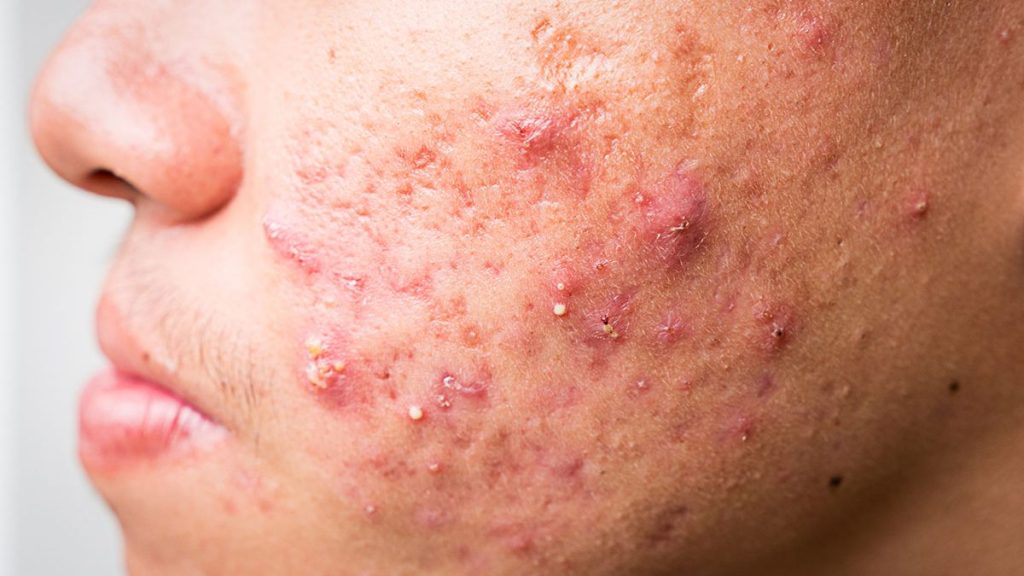
Acne can feel like both a beauty concern and a medical problem. Mild clogged pores may improve with gentle skincare, non-comedogenic products, and careful extractions. Some people find that facials help their skin feel cleaner when acne is mild and not inflamed.
A dermatologist is the better choice when acne is painful, persistent, cystic, hormonal, widespread, or leaving dark marks and scars. Medical acne treatment may include prescription retinoids, benzoyl peroxide combinations, topical or oral antibiotics, hormonal treatment, isotretinoin, injections for painful cysts, or procedures for acne scars. These options require diagnosis and follow-up because acne treatment needs to match the type and severity of the condition.
When Facials Can Help
Facials can be useful when the skin is calm, and the treatment is gentle. A well-chosen facial may help remove surface build-up, support hydration, and leave the skin looking fresher. It can also encourage better daily habits, especially when the routine at home has become too harsh or too complicated.
The best results usually come when cosmetic treatments respect the skin barrier. Over-cleansing, harsh extraction, strong exfoliation, fragranced products, and heat can irritate vulnerable skin. If your skin stings easily, flushes often, breaks out after treatments, or develops dark marks after inflammation, a dermatologist should review your skin before you try stronger cosmetic procedures.
When You Should See a Dermatologist First
See a dermatologist first if the concern is painful, spreading, bleeding, crusting, swelling, infected, changing, or leaving scars. You should also book a medical consultation if you have repeated rashes, persistent acne, sudden pigmentation, unexplained hair loss, nail changes, a mole that looks different, or a spot that does not heal.
A dermatologist is also the safer starting point if you have eczema, rosacea, melasma, a tendency toward keloids, recurrent cold sores, sensitive skin, or a history of reacting badly to facials, peels, lasers, or active ingredients. These factors affect treatment safety. A medical plan can reduce the risk of irritation, burns, scarring, infection, and pigmentation changes.
Procedures That Need Medical Judgement
Some treatments should be performed by a dermatologist or other qualified medical professional because they affect deeper skin structures or carry a higher risk. These include lasers, injectables, deeper chemical peels, radiofrequency treatments, microneedling for scars, mole removal, skin biopsies, cyst treatment, and procedures for significant pigmentation or acne scarring.
The treatment name alone does not tell you if it is safe for your skin. A laser can improve redness or pigmentation in the right patient, yet it can worsen the problem if the diagnosis is wrong or the settings are unsuitable. A peel can brighten dull skin, yet it can trigger irritation or dark marks when the skin barrier is weak. Medical judgement helps decide when to proceed, when to delay, and when to treat an underlying condition first.
How Aestheticians and Dermatologists Can Work Together
Aestheticians and dermatologists do not need to compete. Their roles can complement each other when care is properly coordinated. A dermatologist can diagnose and treat the medical concern. An aesthetician can support cosmetic maintenance once the skin is stable and the planned treatment suits the patient’s condition.
For example, someone with acne may see a dermatologist for prescription treatment and scar prevention. Later, gentle cosmetic care may support maintenance if inflammation is under control. Someone with dry or sensitive skin may need a dermatologist to treat eczema or rosacea before trying facials. Clear communication helps protect the skin, especially if you use prescription creams or recently had lasers, peels, injectables, or microneedling.
How to Decide Who to See
Start with the main concern. If your goal is relaxation, hydration, or general skin maintenance and your skin feels healthy, an aesthetician may be suitable. If your skin concern keeps returning, causes symptoms, leaves marks, or feels medically unclear, a dermatologist should assess it first.
You should also think about risk. A mild facial peel on healthy skin carries less risk than a strong peel on inflamed skin. A product recommendation for dryness is different from treating a rash. Acne extractions are different from managing cystic acne. The more persistent, painful, inflamed, or complex the concern, the more important medical care becomes.
Common Skin Concerns and the Better First Step
For mild dryness, dullness, or occasional congestion, an aesthetician may help with supportive cosmetic care. For persistent acne, acne scars, melasma, eczema, rosacea, psoriasis, skin allergies, hair loss, nail changes, changing moles, cysts, or non-healing spots, a dermatologist is the better first step.
For anti-ageing concerns, the right choice depends on the goal and treatment depth. Aesthetician-led treatments may help with hydration and surface glow. A dermatologist can assess wrinkles, skin laxity, sun damage, pigmentation, volume changes, and skin texture, then recommend options such as prescription skincare, lasers, injectables, resurfacing, or collagen-stimulating procedures where suitable.
How Lumine Dermatology Can Help
At Lumine Dermatology & Laser Clinic, skin care begins with a proper diagnosis. Many concerns that appear cosmetic have a medical component, including acne, pigmentation, redness, sensitivity, scarring, eczema, rosacea, and sun damage. A specialist assessment helps identify the cause before treatment begins.
Our dermatologist Dr. Evelyn Tay combine medical, surgical, laser, paediatric, and aesthetic dermatology care in one setting. This allows patients to receive personalised guidance for both skin health and appearance-related concerns. The goal is to help each patient choose treatment that fits their skin type, condition, comfort level, and long-term goals.